
A well-stocked set of food storage containers is one of the first things you need when moving into a flat, and the good news is you can cover every shelf and drawer for under £30. This guide covers 8 options tested across pantry staples, meal prep, and fridge organisation, so you can spend less time rewrapping leftovers and more time actually cooking.
What to look for
01Capacity and what you actually need to store
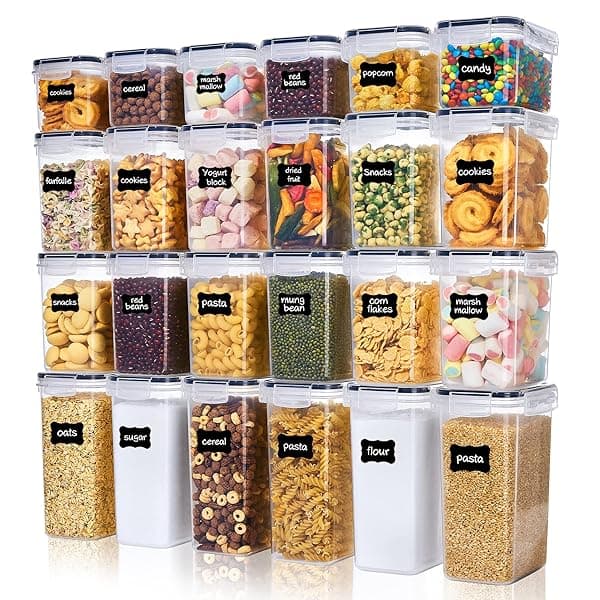
First-flat kitchens tend to have limited cupboard space, so think carefully about what you are storing before buying. Dry goods like flour, sugar, and cereal need tall, wide-mouth containers of at least 1 L, ideally 1.5 L or more. Meal-prep portions for one or two people suit 650 ml to 1,000 ml boxes. A 2.2 L container such as the Sistema KLIP IT PLUS works well for batch-cooked soups or salads. If you are buying a multi-set, check that the sizes are genuinely varied rather than all the same volume. The Vtopmart 24-piece set, for example, includes multiple sizes suited to everything from spices to pasta, which is useful when you are starting from scratch and do not yet know exactly how you cook.
02Material: plastic versus glass
Plastic containers are lighter, cheaper, and less likely to shatter on a tiled kitchen floor. Look for BPA-free labelling, which all the products in this guide carry. Glass containers such as the GOOD FOR YOU 850 ml set are heavier but do not stain or absorb odours from curries or tomato sauces, which is a real advantage if you cook regularly. Glass is also oven-safe in most cases, giving you more flexibility. The trade-off is cost: a 5-pack of glass boxes costs around £29.99 versus £10.95 for 50 plastic ones. For a first flat on a tight budget, plastic is the practical starting point, with glass worth adding later for fridge and oven use.
03Airtight seals and leak resistance
An airtight seal keeps dry goods like flour and cornflakes fresh and prevents moisture getting in, which matters especially in older flats where kitchens can be damp. Clip-lock lids, as used on the Sistema KLIP IT PLUS, create a reliable seal and are worth prioritising for anything you carry in a bag. Snap-on lids are fine for the fridge or cupboard but can pop open in transit. If you are batch-cooking and taking lunch to work, check the product description specifically mentions leakproof rather than just airtight. The Sistema containers are explicitly rated leakproof, while the Zuvo and We Can Source It boxes are better suited to static storage and freezing.
04Stackability and cupboard sizing
UK kitchen cupboards in rented flats are often shallow, typically around 300 mm deep, and the shelves are fixed. Containers that stack neatly save a significant amount of space. Look for flat lids and straight sides rather than tapered shapes. The GUANFU meal-prep boxes and We Can Source It containers both stack cleanly. If you are storing dry goods on a worktop or open shelf, uniform-height containers look tidier and are easier to label. The nuovva cereal dispensers are designed specifically to stand side by side on a shelf, with a pour spout that reduces mess when you are half-asleep at breakfast.
05Microwave and freezer compatibility
In a first flat you will almost certainly be reheating food in a microwave and freezing batch-cooked meals to save money. Check that any container you buy is explicitly microwave-safe and freezer-safe. All the plastic options in this guide carry both ratings. One practical note: do not microwave with the lid fully sealed, as pressure can build up. Most lids have a vent or should be placed loosely on top. For freezing, leave a small gap at the top of the container, around 1 cm to 2 cm, because liquids expand as they freeze. The We Can Source It 1,000 ml boxes at £11.59 for 50 are particularly good value for batch-freezing soups and stews.
Our top picks
Best for stocking a pantry from scratchVtopmart Set of 24 Airtight Food
At £29.18 for 24 containers, the Vtopmart set gives you the widest range of sizes in one purchase, covering everything from small spice jars to large pasta tubs. It includes 24 labels, which is genuinely useful when you are setting up a kitchen for the first time and need to identify contents at a glance. The BPA-free plastic and airtight lids make it suitable for flour, sugar, and other dry baking supplies.
Best leakproof container for packed lunchesSistema KLIP IT PLUS Leakproof Food
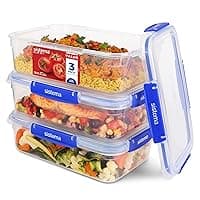
The Sistema KLIP IT PLUS holds 2.2 L per box and uses a four-clip locking lid that is explicitly rated leakproof, making it reliable for carrying salads or pasta to work or university. Currently priced at £12.00 for a set of 3, it sits at its 90-day high, so it is worth watching for a price drop back towards its £8.49 low. The containers are stackable and nestable, which helps in a small cupboard, and the clear sides let you see contents without opening.
Best bulk buy for meal prep on a budgetZuvo Plastic Food Containers 650 ml
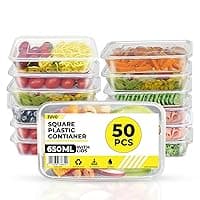
Fifty 650 ml containers for £10.99 is hard to argue with when you are starting out. The Zuvo boxes are microwave and freezer safe, made from recyclable plastic, and clear enough to identify contents easily. At its 90-day low, this is the cheapest per-unit price in this guide at roughly £0.22 per container. They are best suited to static storage and freezing rather than carrying in a bag, but for a first flat where you want to batch-cook and freeze portions, they cover the basics without spending much at all.
Best for keeping cereals and dry goods freshnuovva Cereal Storage Containers
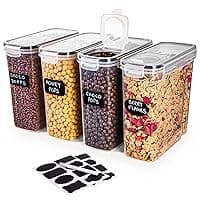
The nuovva 4-piece cereal set at £19.99 is designed specifically for breakfast staples, with a built-in dispenser that lets you pour cornflakes or granola without tipping the whole box. The food-grade, BPA-free plastic and airtight lids help keep contents crisp, which is particularly useful in a damp rented kitchen.
Best glass option for fridge and oven useGOOD FOR YOU Glass Containers with
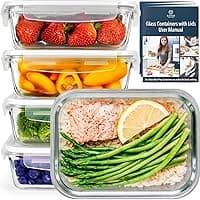
Five 850 ml glass containers for £29.99 costs more upfront, but glass does not stain or hold onto smells from strong-flavoured dishes, which plastic eventually does. These are airtight, fridge-safe, and oven-safe, giving you more cooking flexibility than any plastic option here. The current price is at its 90-day high, having dropped as low as £17.99, so if you can wait for a sale this set becomes significantly better value. A solid choice once your kitchen is set up and you want containers that last several years.
Best stackable boxes for weekly meal prepGUANFU Meal Prep Containers 1 Compartment
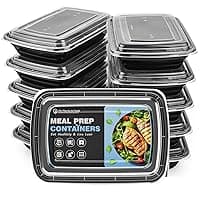
Ten single-compartment 830 ml (28 oz) boxes for £11.89 makes the GUANFU set one of the most cost-effective meal-prep options here. The containers are microwave, freezer, and dishwasher safe, and the straight-sided design stacks cleanly in a small fridge or cupboard. The 90-day low was £9.00, so the current price represents a modest premium. At roughly £1.19 per box, they are a practical choice for anyone cooking in batches at the weekend and portioning out lunches or dinners for the week ahead.
Frequently asked
How many food storage containers do I need for a first flat?
For one person, a starting set of 10 to 15 containers covers most situations: a few large ones (1 L or more) for dry goods like pasta and flour, several medium ones (650 ml to 850 ml) for meal-prep portions, and a couple of small ones for leftovers or cut fruit. A 24-piece set such as the Vtopmart gives you more than enough variety to begin with, and you can add specialist containers like cereal dispensers once you know how you actually use your kitchen.
Are cheap plastic food containers safe to use?
Yes, provided they are labelled BPA-free, which all the containers in this guide are. BPA (bisphenol A) is a chemical previously used in some plastics that has been linked to health concerns, so its absence is the key thing to check. All the plastic options here are also food-grade, meaning they meet safety standards for direct food contact. Avoid heating food in any container that is not explicitly marked microwave-safe, and replace any container that becomes cracked or deeply scratched, as bacteria can harbour in the damage.
Can I put food storage containers in the dishwasher?
Most of the plastic containers in this guide are dishwasher-safe, but check the product listing before buying if this matters to you. The GUANFU meal-prep boxes are explicitly dishwasher-safe. For plastic containers generally, placing them on the top rack is safer, as the heating element at the bottom of a dishwasher can warp thinner plastic over time. Glass containers like the GOOD FOR YOU set are typically more dishwasher-durable. Airtight clip-lock lids, such as those on the Sistema KLIP IT PLUS, should be checked individually as the clips can loosen with repeated high-temperature washing.
What is the best way to store flour and sugar in a small kitchen?
Use airtight containers with a wide mouth so you can scoop easily. For flour, a container of at least 1.5 L is practical for a standard 1 kg bag. For sugar, 1 L is usually sufficient. The Vtopmart 24-piece set includes sizes suited to both. If you live in a hard-water area, your kitchen can be more humid than average, which makes airtight storage especially important for keeping flour from clumping. Label containers clearly with the contents and the date you opened the original packet, so you know when to use things up.
Is glass or plastic better for food storage in the fridge?
Both work well in the fridge, but glass has a few practical advantages. It does not absorb odours or stain from strong foods like curries or tomato-based sauces, and it is easier to see at a glance whether a container is clean. Glass is also oven-safe, so you can transfer food directly from fridge to oven. The downside is weight and the risk of breakage on a hard kitchen floor. Plastic is lighter and cheaper, making it the more practical choice for everyday use in a first flat, with glass worth adding for dishes you cook and store regularly.