
Kitchen Knives Sale & Deals - Clearance Prices UK
Wondering when prices drop? When to Buy Kitchen Knives — best months, seasonal trends, and current buy signal.
Want buying advice, not just prices? Read our Kitchen Knives buying guides.
- Carbon Steel vs Stainless Steel Kitchen Knives: Which to Buy
- Knife Block Sets: Which Knives and Which Block You Need
- Kitchen Knives for Small Kitchens: Our Top Picks
- Kitchen Knives: Types, Materials and What to Buy
- Kitchen Knife Gift Guide: Sets and Singles Worth Giving
- Why Kitchen Knife Prices Vary So Much
- Dishwasher-Safe Kitchen Knives: Low-Maintenance Sets
- Kitchen Knives for Beginners: What to Buy in 2026
- Top Budget Kitchen Knife Sets Under £50: 2026 Price Guide
- Kitchen Knives UK: Which Ones Do You Actually Need?
Kitchen Knives price guide: prices range from £10.49 to £189.99, averaging £49.89 with a typical 16.3% off the 90-day high. Biggest current drop: 38.7% off (£9.68 saved).
29 products
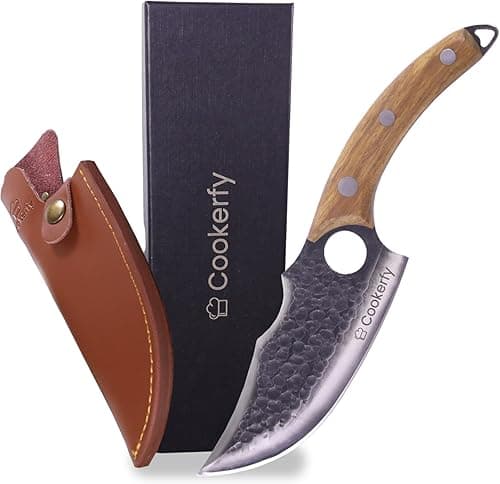
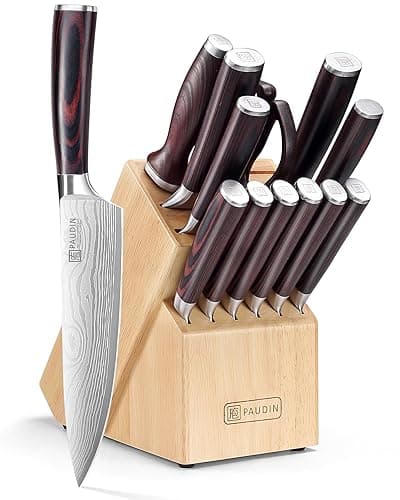
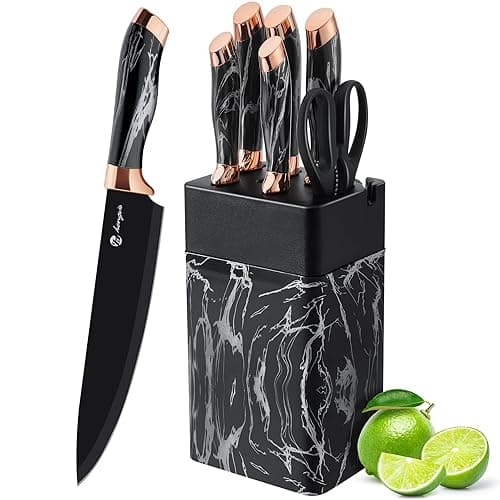
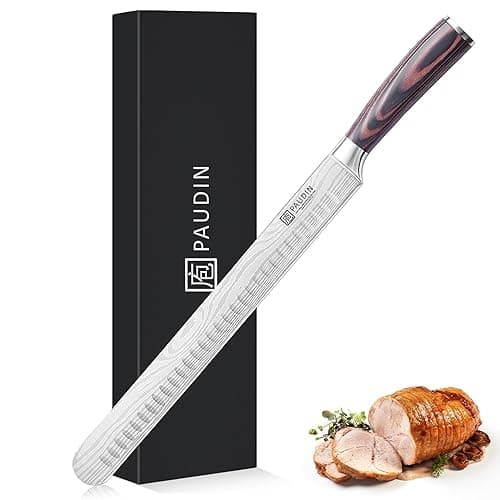
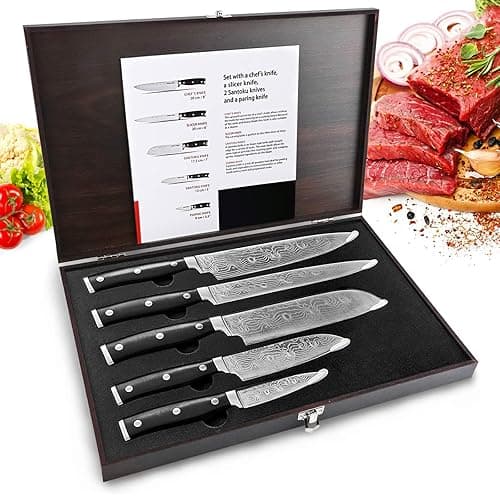
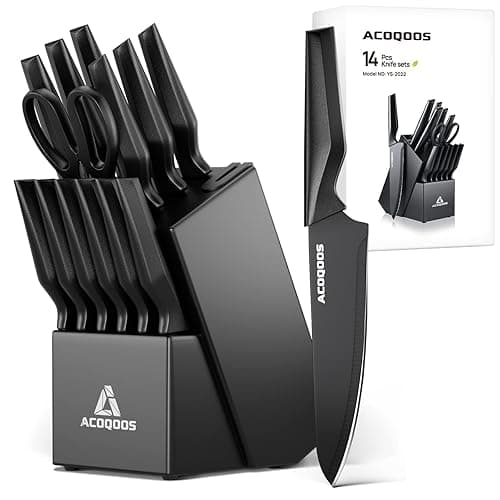
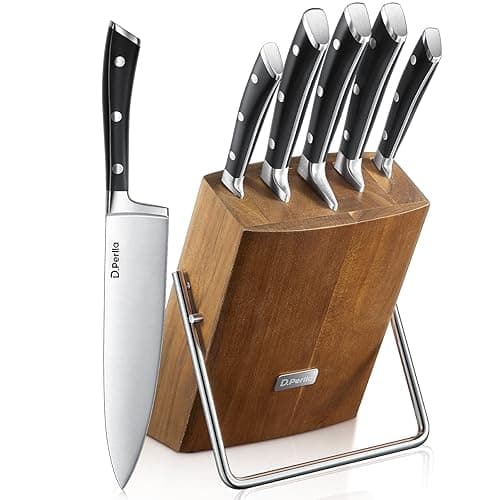
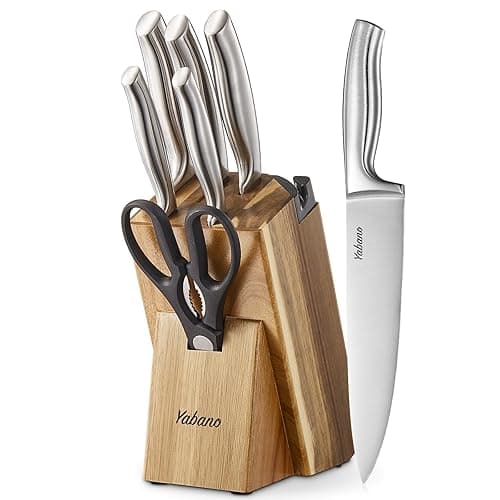
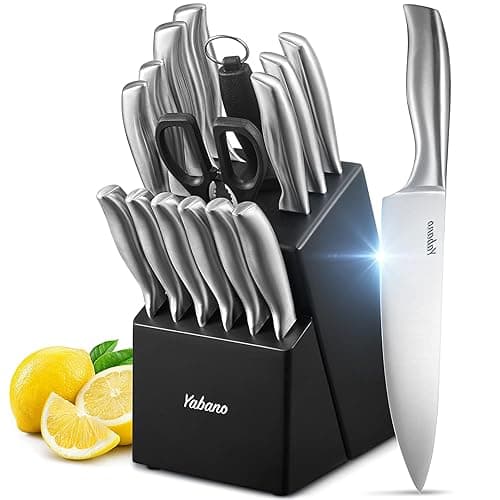
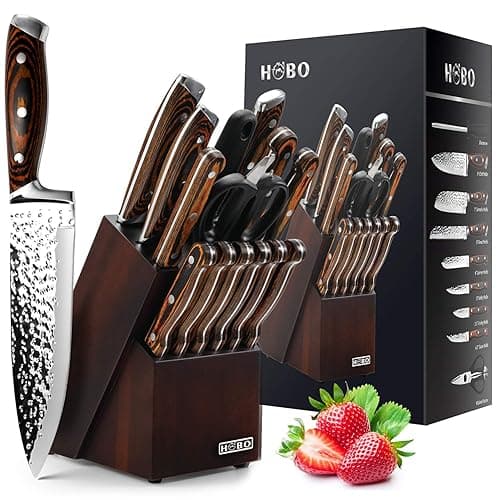

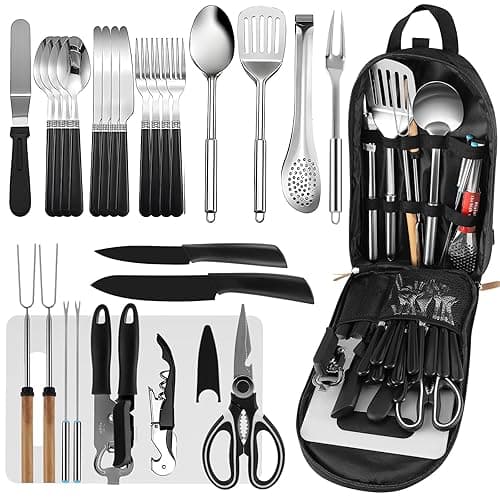
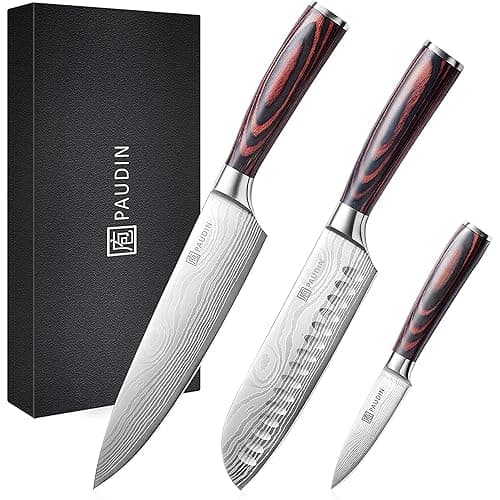
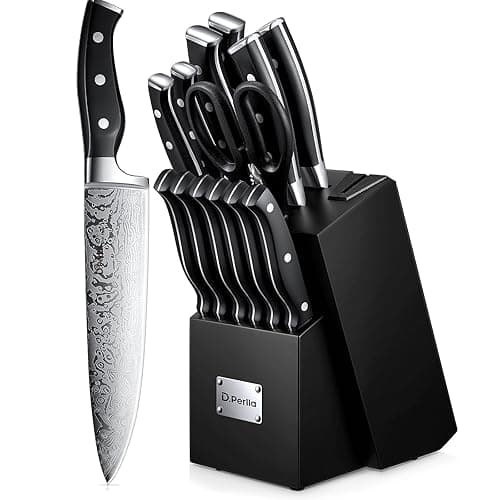
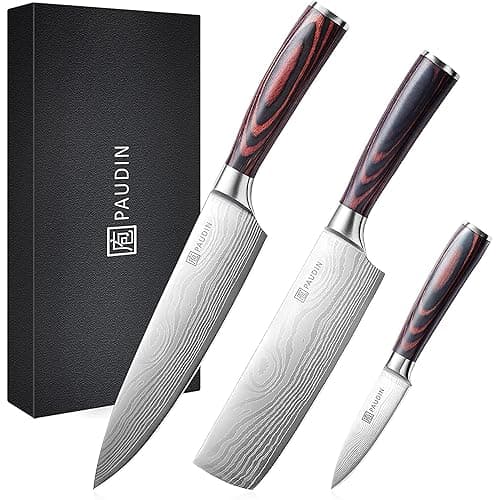

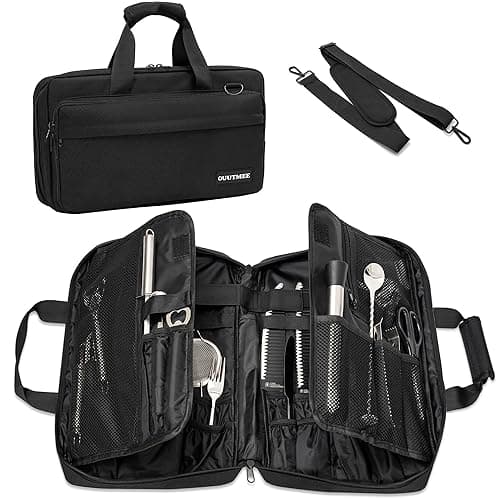
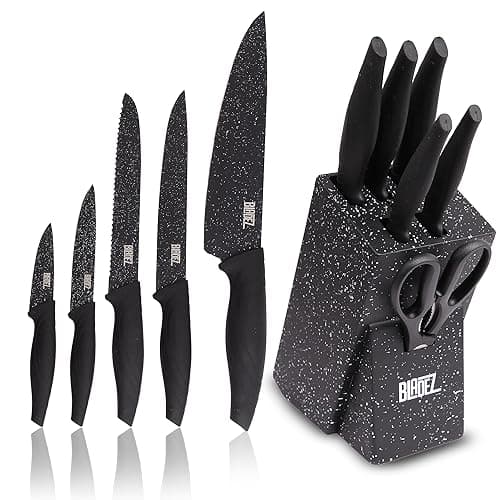
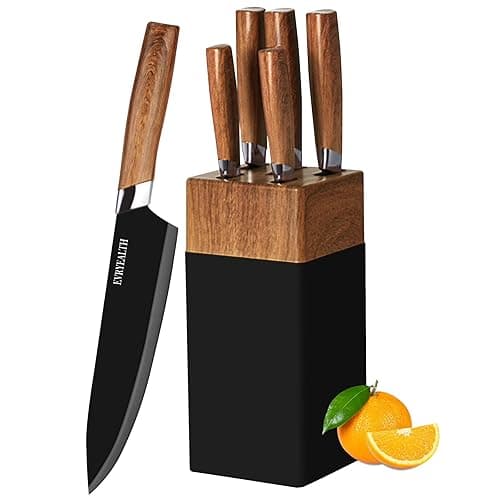
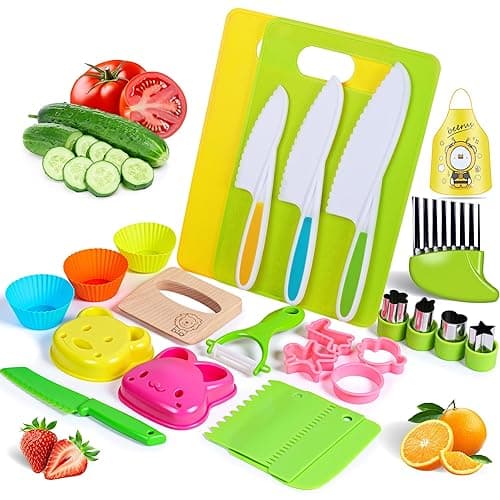
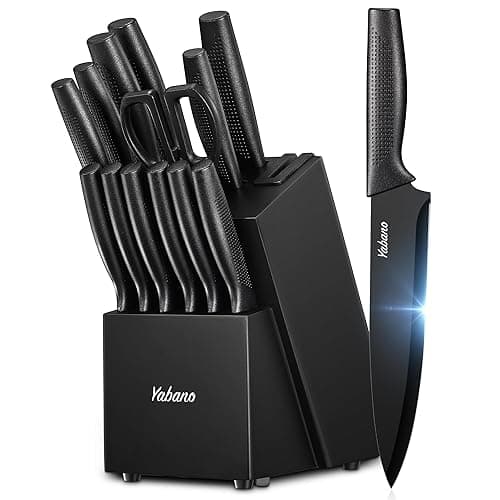
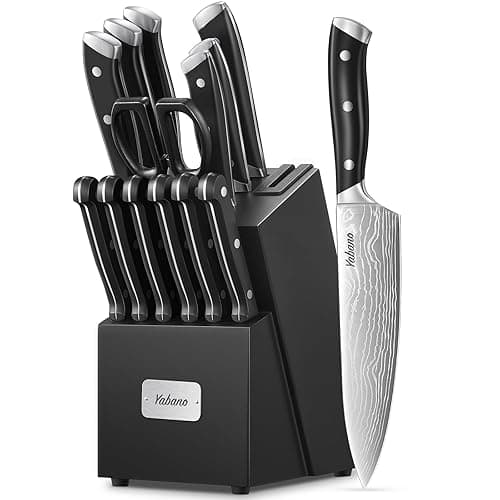
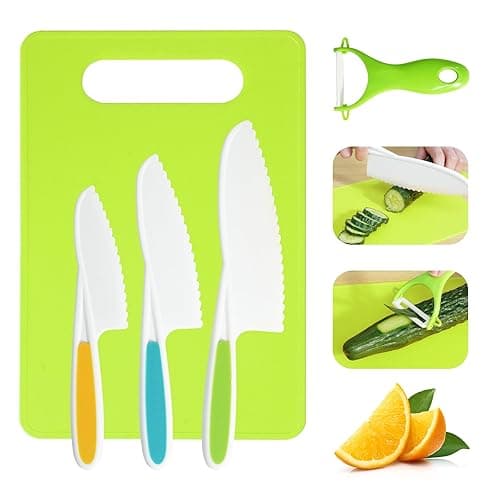
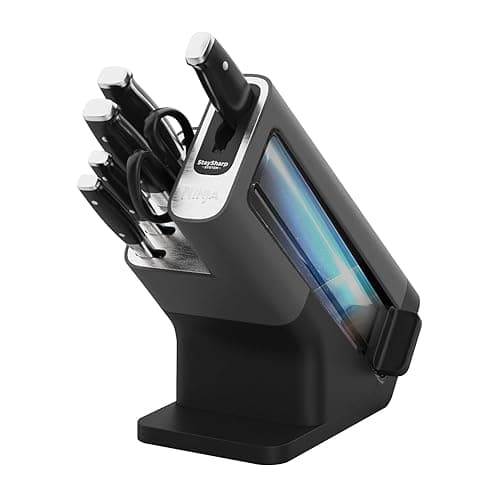
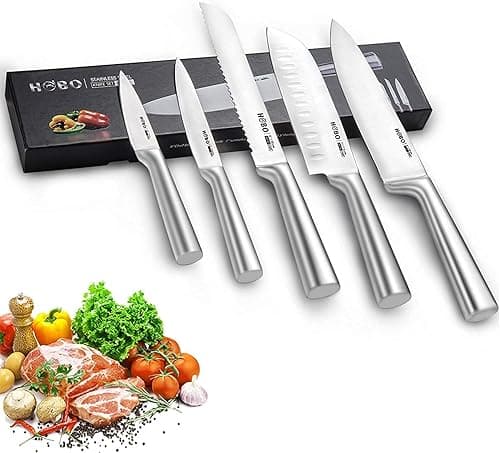
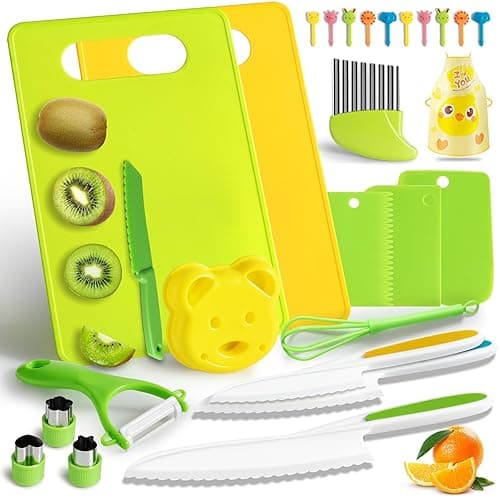
Related Categories

About Kitchen Knives
Kitchen knives are essential tools that can significantly impact your cooking efficiency and enjoyment. When selecting knives, consider the blade material—stainless steel offers excellent corrosion resistance and low maintenance, while carbon steel provides superior edge retention but requires more care. Handle comfort is equally important; look for ergonomic designs that reduce hand fatigue during extended use. Blade length typically ranges from 3 inches for paring knives to 10 inches for chef's knives, with 8 inches being the most versatile all-purpose size. The UK market offers kitchen knife sets ranging from budget-friendly options at £20-40 to premium collections exceeding £200, with excellent mid-range choices between £60-120 that balance quality and value. As a buyer, assess whether you need a complete set or individual knives—many home cooks find 3-4 key pieces (chef's knife, paring knife, serrated bread knife, and utility knife) more practical than extensive sets. Check for full tang construction, which extends the blade through the handle for better balance and durability. Storage matters too; consider whether you'll use a knife block, magnetic strip, or drawer storage. Maintenance requirements vary significantly—some knives need hand washing and regular sharpening, whilst others are more forgiving for busy households. Reading reviews focusing on edge retention, comfort, and real-world kitchen performance will help you avoid overpriced gimmicks and find knives suited to your cooking style.
Frequently Asked Questions
What size kitchen knife do I need for everyday cooking?▾
A chef's knife between 8-10 inches is ideal for most home cooks, offering versatility for chopping vegetables, slicing meat, and general prep work. If you have smaller hands or a compact kitchen, an 8-inch blade is perfect, while a 10-inch gives you more power for tougher tasks. Most UK kitchens benefit from having just one quality chef's knife as your main workhorse.
Are expensive kitchen knives really worth the investment?▾
A mid-range knife costing £40-80 offers excellent value and will last for years with proper care, while budget options under £20 often dull quickly and become frustrating to use. You don't need premium brands at £150+, but avoiding the cheapest supermarket sets will save you money long-term as quality blades hold their edge much longer. Focus on spending more on your chef's knife since you'll use it most.
What should I look for when buying a kitchen knife?▾
Check that the blade feels sharp and well-balanced in your hand, with good weight distribution between the handle and blade. Look for a full tang construction where the metal runs through the entire handle for durability, and consider whether you prefer stainless steel for low maintenance or carbon steel for superior sharpness. Read reviews specifically mentioning edge retention and comfort during extended use.
When do kitchen knife deals typically appear on Amazon UK?▾
Black Friday in November and Boxing Day sales are peak times for knife discounts, often offering 20-40% off established brands. Amazon Prime Day in July also features competitive pricing on kitchen equipment, and you'll find occasional mid-week deals throughout the year. Setting up price alerts on specific products helps you catch deals when they drop rather than waiting for seasonal sales.
What's the biggest mistake people make when buying kitchen knives?▾
Buying cheap knife sets with multiple blades you'll never use instead of investing in one or two quality individual knives is the most common error. Many people also underestimate how much proper maintenance matters—a mid-range knife with regular honing will outperform an expensive neglected blade. Avoid purchasing sets unless you genuinely need every knife included, as you'll get better quality by buying essential knives separately.