
Proper food storage is essential for maintaining freshness, reducing waste, and keeping your kitchen organised. Whether you're batch cooking for the week ahead, storing leftovers, or keeping dry goods fresh in your pantry, the right containers can make a significant difference to both food quality and household efficiency. In the UK, where we're increasingly conscious about reducing plastic waste and making sustainable choices, selecting storage solutions that balance practicality with environmental responsibility has never been more important.
The market offers an overwhelming variety of food storage options, from traditional plastic tubs to modern glass containers, specialised cereal dispensers to baby food storage systems. Each type serves different needs: glass containers are ideal for reheating meals safely, airtight plastic sets excel at pantry organisation, and purpose-built systems can solve specific storage challenges. The best choice depends on your lifestyle, storage needs, and priorities around materials, durability, and versatility.
This guide cuts through the confusion to help you find the best food storage containers for your household. We've evaluated the top-rated options available in the UK, considering factors like seal quality, material safety, versatility, and real-world performance. Whether you're a meal prep enthusiast, a busy parent, or simply looking to organise your kitchen more effectively, you'll find practical advice to make an informed decision that suits your needs and budget.
What to look for
01Material Choice: Glass vs Plastic
The fundamental decision is between glass and plastic containers, each with distinct advantages. Glass containers are non-porous, won't absorb odours or stains, and can safely transition from freezer to microwave to oven in many cases. They're ideal for reheating meals and storing acidic foods like tomato-based sauces without absorbing flavours. However, they're heavier and more fragile, requiring careful handling. Quality plastic containers, particularly those that are BPA-free, offer lightweight portability and durability, making them excellent for packed lunches and pantry storage. Modern plastics have improved significantly, with many offering microwave and freezer safety. Consider where you'll primarily use your containers: if reheating and dishwasher use are priorities, glass often performs better long-term, whilst plastic excels for on-the-go use and children's lunchboxes.
02Seal Quality and Leak Prevention
An effective seal is crucial for maintaining food freshness and preventing messy spills in bags or refrigerators. Look for containers with secure, well-designed lids that create airtight seals. Four-sided locking mechanisms typically provide superior leak protection compared to simple snap-on lids, particularly for liquids and sauces. Silicone or rubber gaskets in the lid create better airtight seals that keep food fresh longer and prevent freezer burn. Test reviews often mention whether containers truly hold up to being turned upside down in a bag, this real-world test indicates genuine leak-proof performance. For dry goods storage, ensure seals keep moisture and pests out whilst maintaining product freshness. Some containers feature vent options for microwave use, allowing steam to escape safely. The quality of seals often determines whether a container set lasts for years or becomes frustrating within months.
03Size Range and Versatility
A practical storage system includes varied sizes to accommodate different foods and purposes. Sets typically range from small containers around 250ml for sauces or baby food portions, through medium sizes for individual meals, to large containers exceeding 1.5 litres for batch cooking or family portions. Consider your typical usage: meal preppers benefit from uniform medium-sized containers that stack efficiently, whilst families need variety for different leftover quantities. Versatility extends beyond size to functionality, containers suitable for freezer, microwave, and dishwasher offer maximum convenience. Square or rectangular shapes generally use refrigerator space more efficiently than round containers, though round shapes can be easier to clean. Stackable designs with nesting capabilities save crucial cupboard space when not in use. Some specialised containers, like cereal dispensers or baby food storage, solve specific problems brilliantly but offer less versatility across different storage needs.
04Durability and Long-term Value
Quality food storage containers should last for years with regular use, making durability a key consideration for long-term value. Glass containers resist scratching, staining, and odour absorption better than plastic, maintaining their appearance through thousands of uses. However, the lids, often plastic even on glass containers, may need replacement over time. High-quality plastic containers should resist warping in the microwave and cracking in the freezer, whilst maintaining clear transparency rather than becoming cloudy. Check reviews for mentions of lid durability, as this is often the first point of failure. Dishwasher-safe containers must withstand repeated high-temperature cycles without degrading. Consider the manufacturer's warranty or guarantee as an indicator of confidence in durability. Whilst cheaper sets might seem economical initially, replacing failed containers repeatedly proves more expensive than investing in quality from the start.
05Safety Standards and Certifications
Food safety should be paramount when selecting storage containers, particularly for heating or storing children's food. All containers should be BPA-free, as this chemical can leach into food, especially when heated. Look for food-grade materials that meet UK and EU safety standards. For containers you'll microwave, ensure they're explicitly rated as microwave-safe, as some plastics can warp or release harmful substances when heated. Freezer-safe certification indicates materials can withstand temperature extremes without cracking. If you plan to use glass containers in the oven, verify maximum temperature ratings and whether they can handle thermal shock from freezer to oven. Baby food storage requires particular attention to safety certifications and materials that can withstand repeated sterilisation. Reputable brands clearly state their safety certifications and material specifications, whilst vague descriptions should raise concerns about quality and safety standards.
Our top picks
Also GreatGlass Food Storage Soup Containers with
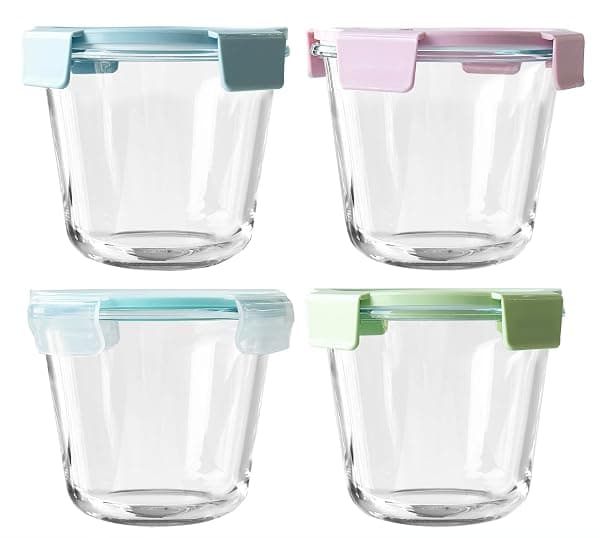
These glass containers offer excellent versatility for soups, porridge, and meal prep with strong airtight seals and microwave-to-freezer capability. The round shape makes them particularly easy to clean, whilst the glass construction ensures no flavour transfer between different meals.
Best ValueGOOD FOR YOU Glass Container Food
![GOOD FOR YOU Glass Container Food Storage - [10 Pack] Meal Prep Containers with Lids - Leak Proof food storage containers (10 Lids & 10 Lunch Containers) BPA Free glass food storage containers — Food Storage deal](/_next/image?url=https%3A%2F%2Fm.media-amazon.com%2Fimages%2FI%2F81oIq2pVJKL._SL200_.jpg&w=256&q=75)
This comprehensive 10-piece set provides outstanding value for serious meal preppers with consistent sizing that stacks efficiently in the fridge. The impressive number of positive reviews confirms reliable leak-proof performance and durability through repeated use and washing cycles.
Space SaverBARGAIN FACTORY Leak Proof Food Storage
This plastic set delivers excellent variety with eight different sizes covering all typical storage needs from small portions to family-sized batches. The airtight seals and varied capacities make it particularly suited for pantry organisation and versatile everyday use at remarkable value.
Premium Picknuovva Cereal Storage Containers
These specialised cereal dispensers solve the common problem of keeping dry goods fresh and dispensing easily. The practical design keeps cereals crispy whilst taking up minimal worktop space, and the food-grade materials ensure long-term safety for daily breakfast routines.
Frequently asked
Are glass or plastic food storage containers better?
Glass containers excel for reheating food, resist stains and odours, and generally last longer, making them ideal for home meal prep and storing leftovers. Plastic containers are lighter, more portable, and less prone to breaking, which makes them better for packed lunches and children's use. For most households, a combination of both materials provides the best versatility, glass for home storage and reheating, plastic for transport and pantry organisation.
How do I know if food storage containers are truly leak-proof?
Look for containers with four-sided locking mechanisms and silicone or rubber gaskets in the lids, which create superior seals compared to simple snap-on designs. Customer reviews mentioning successful transport of liquids in bags are reliable indicators of leak-proof performance. Before relying on containers for transport, test them at home by filling with water, sealing, and turning upside down over a sink to verify the seal quality.
Can I put food storage containers in the freezer and microwave?
Many modern containers are designed for both freezer and microwave use, but always check the manufacturer's specifications before use. Glass containers generally handle temperature extremes better than plastic, though quality plastic containers specifically rated as freezer and microwave-safe perform well for most foods. Avoid transferring containers directly from freezer to microwave with some glass types, as thermal shock can cause cracking, allow frozen food to partially thaw first or verify your containers can handle rapid temperature changes.
What does BPA-free mean and why does it matter?
BPA (Bisphenol A) is a chemical used in some plastics that can leach into food, particularly when heated, and has been linked to potential health concerns. BPA-free containers use alternative materials that are considered safer for food contact. Whilst all new food storage containers sold in the UK should be BPA-free due to regulations, it's worth verifying this specification, especially if you'll be microwaving food in plastic containers or storing items for extended periods.
How many food storage containers do I actually need?
Most households benefit from 8-12 containers in varied sizes, including small portions for sauces or baby food, medium containers for individual meals, and larger options for batch cooking or family leftovers. Meal preppers who cook for the week ahead may need 15-20 containers to accommodate multiple prepared meals. Consider your cooking habits, refrigerator space, and whether you primarily store leftovers or actively meal prep when determining the right quantity for your household.