
A well-organised kitchen isn't just aesthetically pleasing, it's a practical necessity that can transform your daily cooking routine. Whether you're dealing with cluttered worktops, overflowing cupboards, or simply struggling to find ingredients when you need them, the right storage solutions can make all the difference. Kitchen storage has evolved significantly in recent years, moving beyond basic plastic containers to encompass stylish, functional designs that complement modern home aesthetics whilst keeping your staples fresh and accessible.
In the UK market, kitchen storage options range from traditional tea, coffee, and sugar canisters to sophisticated stackable systems and airtight containers that preserve freshness for months. The challenge lies in selecting products that balance durability, design, and functionality, items that won't just sit in your cupboard but will genuinely improve how you interact with your kitchen space. We've tested and researched the most popular kitchen storage solutions available to UK consumers, focusing on everyday performance, build quality, and real-world usability. This guide will help you navigate the key considerations when choosing storage that suits your specific needs, whether you're outfitting a compact city flat or a spacious family kitchen.
What to look for
01Material Quality and Durability
The material of your kitchen storage containers directly impacts their longevity and performance. Metal canisters, particularly those with powder-coated finishes, offer excellent durability and rust resistance, making them ideal for humid kitchen environments. Glass containers provide the advantage of visibility, you can instantly see contents and remaining quantities, whilst being non-reactive with foods and easy to clean. However, glass can be heavier and more fragile, especially in busy households with children. Bamboo and wood accents, often found on lids, add natural warmth but require proper care to prevent moisture damage. Look for food-grade materials with certifications where applicable, and consider whether the finish is prone to chipping or scratching. The best storage solutions use high-quality construction throughout, from reinforced seams on metal containers to tempered glass that can withstand daily handling. Think about your specific kitchen conditions, if you have limited worktop space and need to stack containers, robust materials become even more critical.
02Airtight Seals and Freshness Preservation
An effective seal is the cornerstone of good kitchen storage, particularly for dry goods like coffee, tea, and sugar that quickly lose quality when exposed to air and moisture. Silicone gaskets typically provide the most reliable airtight seal, creating a barrier that keeps contents fresh for extended periods. Some containers feature simple friction-fit lids, which may be adequate for frequently used items but won't preserve freshness as effectively. Test the seal quality by checking how the lid closes, it should require a gentle but firm press and create noticeable resistance. For coffee enthusiasts, airtight storage is non-negotiable, as coffee begins losing flavour within hours of exposure to oxygen. Similarly, tea bags and loose leaf teas benefit enormously from proper sealing to maintain their aromatic qualities. Transparent windows or fully transparent containers help you monitor contents without breaking the seal repeatedly. Consider whether the seal mechanism will remain effective over time, cheaper rubber seals can perish or lose elasticity, whilst quality silicone maintains its properties through hundreds of uses. The investment in genuinely airtight storage pays dividends in reduced food waste and better-tasting ingredients.
03Size, Capacity, and Space Efficiency
Kitchen storage needs vary dramatically depending on household size, consumption patterns, and available cupboard space. Standard canister sets typically hold between 450ml and 1 litre per container, which suits most households for tea, coffee, and sugar storage. Larger families or enthusiastic bakers might require greater capacity, whilst those in compact flats should prioritise stackable or space-saving designs. Consider the vertical space in your cupboards, stackable containers can dramatically increase storage capacity without expanding your footprint. Measure your available space before purchasing, accounting for the height when lids are attached and whether containers will fit comfortably on your worktop if you prefer them accessible. Wide-mouthed containers facilitate easier scooping and cleaning but occupy more horizontal space. Some sets include containers of varying sizes, which offers flexibility but may result in odd-sized pieces you struggle to use. Think realistically about what you'll store and how much you typically keep on hand, oversized containers for items you use sparingly can actually create organisation problems. The most effective storage solutions maximise your specific available space whilst accommodating your actual usage patterns.
04Design and Kitchen Aesthetics
Kitchen storage has become as much about visual appeal as functionality, with containers often displayed on worktops rather than hidden in cupboards. Your chosen storage should complement your existing kitchen style, whether that's modern minimalist, traditional country, or industrial chic. Vintage-style metal canisters with decorative typography suit classic or shabby-chic kitchens, whilst sleek glass containers with minimalist bamboo lids align with contemporary aesthetics. Colour coordination matters too, neutral tones like black, white, grey, or natural materials work in most settings, whilst bold colours like navy can become statement pieces or clash with existing schemes. Labelling is another design consideration: some containers feature pre-printed labels (Tea, Coffee, Sugar), which looks cohesive but limits flexibility, whilst blank containers allow you to label according to your specific contents. Transparent windows offer a practical middle ground, allowing visual identification regardless of labelling. Consider how the storage will look both full and partially empty, some designs maintain their appeal at any fill level, whilst others look untidy when not completely full. Remember that visible storage should enhance your kitchen's appearance whilst remaining genuinely functional.
05Ease of Cleaning and Maintenance
Kitchen storage containers require regular cleaning to prevent residue buildup, staining, and odour absorption, making maintenance considerations crucial for long-term satisfaction. Dishwasher-safe components significantly reduce cleaning effort, though not all materials withstand dishwasher heat, metal finishes may deteriorate, and some lids with silicone seals require hand washing to preserve their integrity. Glass containers generally clean most easily, resisting staining and odour absorption whilst allowing you to verify cleanliness visually. Wide openings facilitate thorough cleaning and drying, preventing moisture accumulation that could spoil contents or encourage mould growth. Containers with intricate detailing or narrow crevices can harbour dried food particles and prove frustrating to clean properly. Consider whether the finish shows fingerprints, water marks, or dust, stainless steel and dark glass are particularly prone to visible smudges. Removable seals and gaskets should be simple to detach for periodic deep cleaning. Think about your willingness to perform maintenance, if you're unlikely to hand-wash items regularly, prioritise fully dishwasher-safe options even if they cost slightly more initially. Proper cleaning extends the life of your storage and ensures your ingredients remain uncontaminated.
Our top picks
Top RatedLENAK Tea Coffee Sugar Canister Set
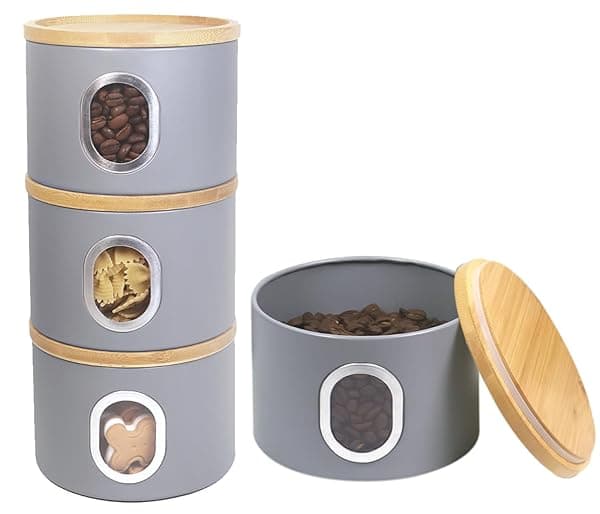
The stackable design maximises vertical storage space whilst the transparent window allows quick contents identification without opening the airtight seal. With an impressive rating across numerous reviews, this set offers reliable performance in a neutral grey finish that suits most kitchen styles.
Also GreatOursouion Tea
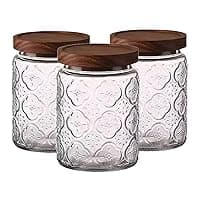
The glass construction provides complete visibility and won't absorb odours or stains, whilst the decorative design elevates worktop aesthetics. The airtight lids ensure your ingredients stay fresh, combining functionality with an attractive presentation that works as display storage.
Best Valueandrew james Tea Coffee Sugar Canisters
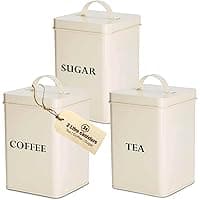
Backed by over a thousand customer reviews maintaining a strong rating, this vintage-style set has proven its durability and appeal across diverse households. The rust-resistant powder coating ensures longevity even in humid kitchen environments, whilst the classic design adds character to traditional kitchen settings.
Frequently asked
What's the best material for kitchen storage containers?
Glass offers excellent visibility, doesn't absorb odours, and cleans easily, making it ideal for most kitchen storage needs. Metal canisters with powder-coated finishes provide superior durability and a traditional aesthetic, particularly suited to vintage-style kitchens. For light-sensitive items like coffee, opaque or tinted materials preserve freshness better than clear options. Consider your specific needs, glass for visibility and easy maintenance, metal for durability and style.
How can I tell if a container is truly airtight?
Look for containers with silicone gaskets or seals in the lid, which create a reliable barrier against air and moisture. Quality airtight containers should require gentle but firm pressure to close and may produce a subtle suction sound when opened. Check customer reviews for mentions of freshness preservation, if coffee stays aromatic or sugar remains free-flowing for weeks, the seal is effective. Avoid containers with simple friction-fit lids if freshness preservation is your priority.
Should I store kitchen canisters on the worktop or in cupboards?
This depends on your usage frequency, available worktop space, and kitchen aesthetic. Items used daily like tea, coffee, and sugar benefit from worktop accessibility and can enhance your kitchen's visual appeal when displayed. However, cupboard storage protects containers from dust, grease splatter, and excessive light exposure that can degrade contents. If worktop space is limited, prioritise cupboard storage and choose stackable designs to maximise vertical space efficiently.
How do I prevent moisture getting into my kitchen storage containers?
Ensure containers are completely dry before filling, as even small amounts of residual water can create humidity inside sealed containers. Always close lids promptly after use and avoid placing containers near steam-producing appliances like kettles. Airtight seals are essential, check gaskets regularly and replace containers if seals become damaged or perished. For particularly humid kitchens, consider silica gel packets inside containers, though this is rarely necessary with quality airtight storage.
Can I put kitchen storage containers in the dishwasher?
This varies significantly by product, glass containers are generally dishwasher-safe, but check whether lids and seals can withstand dishwasher temperatures. Metal canisters with decorative finishes may deteriorate in dishwashers and typically require hand washing. Bamboo and wooden components should never go in the dishwasher as they can warp or crack. Always consult manufacturer guidelines and consider that hand washing extends the life of most kitchen storage products, particularly those with decorative elements or special finishes.