
Juicers in the UK currently range from £14.99 to £299.99, and the gap between those two extremes is not just about brand names. Spend under £40 and you get a centrifugal machine that works fast but runs loud. Cross the £100 mark and you move into slow masticating territory, where juice yield improves and foam drops away. This guide breaks down what each price band actually buys you.
What to look for
01Under £40: Centrifugal juicers and the speed trade-off
At the bottom of the market, from around £14. 99 up to £40, you are almost exclusively looking at centrifugal juicers or manual squeeze tools. Centrifugal machines spin a shredding disc at high speed, typically 400W to 900W on a UK 240V socket, and extract juice in seconds. The FOHERE centrifugal model sits at £34.99 with a 400W motor and a 3-inch (76mm) feed chute, which is wide enough for a small apple without pre-cutting. The trade-off is heat and air: the fast spin introduces both, which degrades some nutrients and creates a frothy, separated juice that does not keep well in the fridge. For a quick weekday glass of orange or apple juice, that is perfectly acceptable. If you want to juice daily and drink immediately, this price band does the job without fuss. Expect louder operation, around 70 to 80 dB, and a pulp bin that fills quickly with fibrous vegetables like carrots.
02£40 to £80: Entry-level slow juicers and centrifugal upgrades
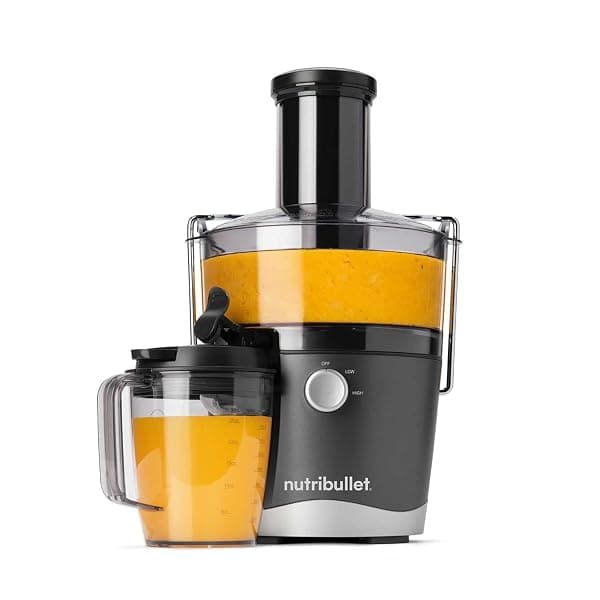
This is the most crowded part of the UK juicer market, and where the average tracked price of £67. 31 sits. You start to see masticating (cold-press) machines appear alongside better-built centrifugal options. The AMZCHEF cold-press model at £56.51 (its 90-day low, down from a high of £69.99) uses a slow-turning auger that chews rather than shreds produce, generating less heat and producing a denser, less foamy juice. The NutriBullet 800W centrifugal at £69.00 offers a different proposition: 800W on the UK mains, a 1.5-litre pulp basin, and dishwasher-safe parts, making it a strong choice if cleaning time matters more than juice quality. In hard-water areas, dishwasher-safe components are particularly useful because limescale builds up quickly on plastic parts that need hand-washing. At this price band, check whether the juicer ships with at least two cups or a jug, as many budget models do not.
03£80 to £150: Wider chutes, higher yield, and more versatility
Above £80, the meaningful upgrades are chute width, juice yield, and multi-function capability. The Fridja f1900 at £109.99 (90-day low: £85.00) has a 78mm wide chute, BPA-free construction, and can process nut milks and sorbet in addition to juice, which justifies the higher outlay if you use a juicer for more than one purpose. The AMZCHEF 250W automatic model at £117.63 goes further with a 145mm opening and a 2-litre capacity, meaning you can feed whole fruits without halving them and juice larger batches without stopping to empty a small container. At 250W, it draws less power than a centrifugal machine, which matters if you run it every morning. A triple filter system on that model also means cleaner juice straight from the spout, reducing the need to strain separately. Expect noise levels to drop noticeably compared with centrifugal machines in this band.
04Discounts and the right time to buy
The average discount across 37 tracked UK juicers is 18. 2% off the 90-day high price, which means patience is usually rewarded. The AMZCHEF cold-press at £56.51 is currently at its 90-day low, having been as high as £69.99. More dramatically, the EUHOMY cold-press slow juicer with a 135mm chute and auto-cutting auger is currently 52.1% off its previous price, saving £54.44, making it one of the sharpest deals in the category right now. Juicer prices tend to dip around January (new-year health resolutions drive retailer promotions) and again around Black Friday. If a model you want is near its 90-day high, it is worth waiting two to four weeks before buying.
05Above £150: Premium slow juicers and what they add
The top end of the tracked range reaches £299. 99, and at that level you are paying for build quality, warranty length, and extraction efficiency rather than fundamentally different technology. Premium slow juicers from brands such as Hurom or Kuvings typically feature all-metal augers, longer feed chutes (often 80mm or wider), and quieter motors that sit below 60 dB. Juice yield from leafy greens, which is notoriously poor in budget machines, improves meaningfully at this price point. If you juice wheatgrass, kale, or spinach regularly, the yield difference can offset some of the cost over time. For most UK households juicing apples, carrots, and citrus a few times a week, however, the jump from £100 to £300 delivers diminishing returns. The sweet spot for most buyers remains the £60 to £120 band.
Our top picks
Best for fast, fuss-free morning juicingnutribullet 800W Centrifugal Juicer
The NutriBullet 800W centrifugal juicer runs on the UK 240V mains and delivers juice in under 30 seconds. At £69.00, currently £20 below its 90-day high of £89.00, it includes a 1.5-litre pulp basin, an 800ml pitcher, and dishwasher-safe parts, which is a practical advantage in hard-water areas where limescale accumulates fast. Two speed settings handle soft citrus and tougher root vegetables. Best suited to households that juice quickly and clean up immediately.
Best for versatility beyond juiceFridja f1900 Cold Press Juicer
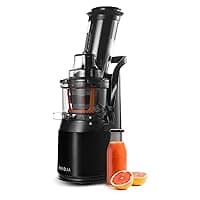
The Fridja f1900 at £109.99 (90-day low: £85.00) is the only machine in this lineup that handles nut milks, sorbet, and ice cream alongside juice. Its 78mm BPA-free wide chute fits most fruits without halving them, and the black stainless steel body is more robust than the plastic-heavy budget alternatives. At 240W, it is quieter and more energy-efficient than centrifugal rivals. Worth the extra outlay if you want one machine to cover multiple kitchen tasks.
Best for under £35 on a tight budgetJuicer Machines
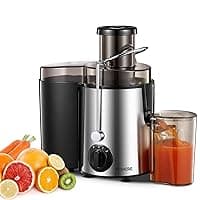
The FOHERE centrifugal juicer at £34.99 offers a 400W motor, a 3-inch (76mm) feed chute, and three speed settings for a price that undercuts most rivals significantly. Its 90-day price range is narrow, between £32.00 and £36.99, so you are unlikely to find a dramatic discount by waiting. It includes a cleaning brush and recipe booklet. Noise and foam are higher than on slow juicers, but for occasional use or a first juicer, it is a sensible starting point.
Frequently asked
What is the difference between a centrifugal and a cold-press juicer?
A centrifugal juicer uses a fast-spinning shredding disc, typically 400W to 900W, to extract juice in seconds. It is quick and affordable but generates heat and air that can reduce nutrient retention and produce a frothy juice that separates within an hour. A cold-press or masticating juicer uses a slow-turning auger to crush and squeeze produce, generating less heat and producing a denser juice that keeps in the fridge for up to 48 hours. Cold-press machines cost more, generally from around £55 upwards in the UK, but deliver better yield from leafy greens and softer fruits.
How much should I spend on a juicer in the UK?
UK juicer prices currently run from £14.99 for a manual squeeze tool to £299.99 for a premium slow juicer. The average across 37 tracked models is £67.31. For most households juicing apples, carrots, and citrus a few times a week, a budget of £55 to £120 covers both decent centrifugal machines and entry-level cold-press models. Spending above £150 brings build quality and yield improvements that matter mainly to daily, high-volume juicers.
Are juicers worth buying if I already have a blender?
A blender retains all the fibre from fruit and vegetables, producing a smoothie rather than a juice. A juicer separates the liquid from the pulp, giving you a lighter, clearer drink that is easier to absorb quickly. If you specifically want clear juice, a blender cannot replicate that result. If you are happy with smoothies, a blender is more versatile and usually cheaper. The two appliances serve different purposes, so the decision depends on which type of drink you actually want to make regularly.
Is it worth waiting for a discount on a juicer?
Often, yes. The average discount across tracked UK juicers is 18.2% off the 90-day high price. Some deals are more dramatic: one cold-press model is currently 52.1% off, saving £54.44. Juicer prices tend to drop in January and around Black Friday. If the model you want is near its 90-day high price, waiting two to four weeks before purchasing is a reasonable strategy. Checking the 90-day low price before buying gives you a realistic target to aim for.
How easy are juicers to clean in a hard-water area?
Hard water accelerates limescale build-up on plastic and metal juicer components, particularly the mesh filter basket and the auger on slow juicers. Look for models with dishwasher-safe parts, such as the NutriBullet 800W centrifugal, which simplifies cleaning considerably. For hand-wash-only models, rinsing parts immediately after use prevents pulp drying and limescale bonding. A weekly soak in a diluted white vinegar solution (roughly one part vinegar to three parts water) removes mineral deposits effectively without damaging plastic components.