
Finding the right juicer for your kitchen can transform your morning routine and help you incorporate more fresh fruits and vegetables into your daily diet. Whether you're looking to create nutrient-packed green juices, refreshing citrus drinks, or creative wellness shots, the juicer you choose will significantly impact both the quality of your beverages and how often you actually use it. The UK market offers everything from compact citrus presses perfect for morning orange juice to powerful cold press machines that extract every drop of goodness from leafy greens and fibrous vegetables.
The challenge lies in navigating the diverse range of juicing technologies available today. Centrifugal juicers work quickly and handle hard produce with ease, making them ideal for busy households. Cold press or masticating juicers operate more slowly but preserve more nutrients and produce drier pulp, offering better value from your ingredients. Then there are simple citrus juicers that excel at one task but do it brilliantly. Understanding which type suits your lifestyle, kitchen space, and juicing ambitions is essential to making a purchase you'll be happy with for years to come. We've tested and evaluated the top-rated juicers available in the UK to help you make an informed decision that matches your needs and budget.
What to look for
01Juicer Type and Technology
The fundamental choice you'll face is between centrifugal, masticating (cold press), and citrus juicers. Centrifugal models use high-speed spinning blades to quickly extract juice, making them fast and efficient for hard fruits and vegetables like apples and carrots. They're generally more affordable and easier to use but can introduce heat and oxidation that may reduce nutrient retention. Cold press or masticating juicers crush and press produce at slower speeds, preserving more vitamins, enzymes, and minerals whilst producing less foam and oxidation. These tend to be quieter and handle leafy greens exceptionally well, though they require more time and effort. Citrus juicers are specialists designed purely for oranges, lemons, limes, and grapefruits. They're compact, affordable, and incredibly efficient at their specific task. Consider what you'll juice most frequently: if it's primarily citrus for breakfast, a dedicated citrus press makes perfect sense. For varied whole-fruit and vegetable juicing, a centrifugal or cold press model offers greater versatility.
02Capacity and Size
Juicer capacity affects both how much you can make in one session and how much worktop space you'll sacrifice. The juice jug capacity typically ranges from around 700ml to 1.5 litres, whilst pulp containers vary even more widely. If you're juicing for a family or like to batch-prepare juice for the day ahead, look for larger capacities to avoid constant emptying. However, remember that fresh juice is best consumed immediately, so excessive capacity may be unnecessary for individuals or couples. Physical dimensions matter tremendously in UK kitchens where counter space is often at a premium. Compact models can be stored in cupboards between uses, whilst larger machines may need permanent counter residence. Consider the feed chute width as well, wider chutes (around 3 inches) accept whole fruits and larger chunks, dramatically reducing prep time. Narrow chutes require more chopping but often indicate a more compact overall design. Measure your available storage and counter space before committing to a larger model, and think realistically about how often you'll juice and in what quantities.
03Ease of Cleaning and Maintenance
The single biggest reason juicers gather dust in cupboards is that they're tedious to clean. A juicer with multiple fiddly parts, mesh filters that trap pulp, and components that aren't dishwasher safe will quickly become a chore you'd rather avoid. Look for models with dishwasher-safe parts as a priority, this single feature can make the difference between daily use and occasional grudging operation. The number of components matters too: fewer parts mean less assembly, disassembly, and washing. Some models feature clever designs with removable pulp containers that catch debris before it reaches harder-to-clean areas, or no-drip spouts that prevent messy countertops. Cleaning brushes are often included with juicers, and their necessity tells you something about the design, the best juicers minimise the need for scrubbing. Consider also the filter or straining mechanism: fine mesh screens deliver smoother juice but trap pulp stubbornly, whilst coarser filters are easier to clean but may produce more textured results. If you're realistically going to juice daily, prioritise cleaning convenience above all else.
04Motor Power and Speed Settings
Motor power, typically measured in watts, determines what produce your juicer can handle and how quickly it processes ingredients. Centrifugal juicers generally feature more powerful motors (700-1000 watts or higher) because they rely on high-speed spinning. Cold press juicers use less wattage but generate tremendous crushing force through gearing and auger design. Don't assume higher wattage automatically means better performance, it depends entirely on the juicing technology employed. Multiple speed settings add versatility, allowing you to optimise extraction for different produce types. Softer fruits like berries and tomatoes benefit from lower speeds that prevent excessive foaming and splashing, whilst hard vegetables like beetroot and carrots require higher speeds for efficient breakdown. Two-speed operation is common and usually sufficient, though some premium models offer variable speed control. Consider also the noise level, which often correlates with motor power and speed. Cold press juicers are significantly quieter than centrifugal models, an important consideration if you're juicing early in the morning in a household with sleeping family members.
05Build Quality and Warranty
A juicer experiences significant mechanical stress, so construction quality directly impacts longevity. Stainless steel components resist corrosion and staining better than plastic, particularly for the cutting or crushing mechanisms that contact acidic citrus juices. Heavy-duty plastic can perform adequately if it's BPA-free and designed for food contact, but examine whether key structural components and motors are metal-constructed. Base stability matters tremendously, powerful centrifugal juicers generate considerable vibration, and a lightweight or poorly balanced unit may walk across your counter or tip over. Look for rubber feet and a substantial base weight. The warranty offered reflects manufacturer confidence in durability: one-year warranties are standard, but premium models often provide two to five years of coverage. Pay attention to what's covered, motor warranties are particularly important as motor failure is the most common fatal flaw. Customer reviews revealing early failures, motor burning smells, or components cracking should raise immediate red flags. A well-built juicer from a reputable brand should reliably serve you for many years of regular use.
Our top picks
Runner UpNutriChef Electric Juicer Citrus
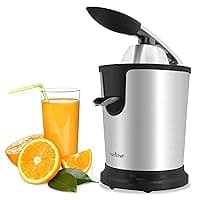
This citrus specialist delivers exceptional performance for morning orange juice enthusiasts with its stainless steel construction and manual press handle that maximises extraction. The adjustable pulp filter lets you control juice texture, whilst dishwasher-safe components and compact footprint make it practical for daily use in typical UK kitchens.
Best ValueNinja Cold Press Juicer Machine with
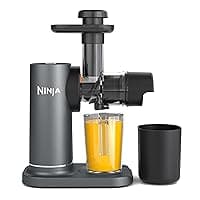
Ninja's cold press technology preserves nutrients whilst the compact design fits neatly into smaller kitchens. The generous pulp container capacity means less frequent emptying during juicing sessions, and fully dishwasher-safe removable parts address the biggest juicing complaint, tedious cleanup that discourages regular use.
Cold Press PickKeerain Electric Citrus Juicer Machine
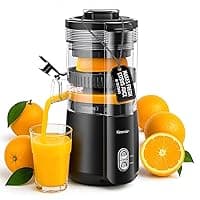
This automatic citrus juicer simplifies morning routines with its electric operation that requires minimal effort. The included cleaning brush shows thoughtful design consideration, whilst the compact size makes it ideal for kitchens with limited counter space who primarily juice citrus fruits rather than requiring full vegetable juicing capability.
Budget Choicenutribullet 800W Centrifugal Juicer
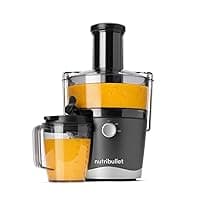
NutriBullet's powerful 800W motor and wide feed chute minimise preparation time, letting you juice whole fruits without tedious chopping. The two-speed operation handles everything from delicate berries to tough root vegetables, whilst the generous capacities and dishwasher-safe components make it practical for families who juice regularly and in larger quantities.
Frequently asked
What's the difference between cold press and centrifugal juicers?
Cold press juicers (also called masticating juicers) slowly crush and press produce to extract juice, operating at low speeds that minimise heat and oxidation, preserving more nutrients and enzymes. Centrifugal juicers use high-speed spinning blades to rapidly separate juice from pulp, working much faster but introducing more air and heat that can reduce nutritional quality. Cold press models are quieter, produce drier pulp, and excel with leafy greens, whilst centrifugal juicers are generally more affordable, faster, and better suited to hard fruits and vegetables.
Are expensive juicers worth the investment?
Premium juicers typically offer superior build quality with stainless steel components, more powerful or efficient motors, and better juice yields that waste less produce over time. They often include longer warranties and more thoughtful design features like wider feed chutes and easier cleaning mechanisms. However, mid-range models can perform excellently for most home users, the key is matching the juicer type and features to your actual usage patterns rather than assuming higher cost always means better value.
How do I clean a juicer properly?
Disassemble your juicer immediately after use before pulp dries and hardens, as fresh residue rinses away far more easily. Rinse all components under running water, using the provided cleaning brush to remove pulp from mesh filters and tight spaces. Most modern juicers have dishwasher-safe parts which simplify the process considerably. For stubborn stains on plastic components, soak in warm water with a drop of washing-up liquid, and for mineral deposits from hard water, use a solution of equal parts water and white vinegar.
Can I juice leafy greens in any juicer?
Cold press or masticating juicers handle leafy greens like spinach, kale, and wheatgrass exceptionally well because their slow crushing action effectively breaks down fibrous leaves. Centrifugal juicers struggle with leafy greens as the high-speed spinning tends to chop rather than extract, producing minimal juice and very wet pulp. If green juices are your priority, invest in a cold press model, but if you primarily juice harder fruits and vegetables with only occasional greens, a powerful centrifugal juicer can manage mixed recipes reasonably well.
How long does fresh juice last in the fridge?
Fresh juice is best consumed immediately after extraction to maximise nutritional benefits and flavour, but it can be stored in an airtight container in the refrigerator for up to 24 hours. Juice from cold press juicers typically lasts slightly longer than centrifugal juice because less oxidation occurs during extraction. Always store juice in a sealed glass or BPA-free plastic container filled to the top to minimise air exposure, and give it a good shake before drinking as separation naturally occurs during storage.