
Kitchen gadgets on the UK market currently range from £6.24 to £39.99, with the typical price sitting at £18.59. Across 37 tracked products, the average item is selling at roughly 14.6% below its 90-day high, so there are genuine savings to be had. The real question is not which price is lowest, but which price point actually buys you something meaningfully better.
What to look for
01Material quality and what the price difference buys
At the budget end, around £6 to £8, you are typically getting single-material tools: a set of silicone spatulas, for example, or a basic wooden spoon. These do the job for light, everyday cooking. Step up to the £15 to £20 bracket and you start seeing stainless steel construction, multi-piece sets with holders, and heat-resistant silicone heads rated to higher temperatures. The Amazon Basics silicone spatula set at £6.24 is perfectly serviceable for occasional use, but if you cook daily on induction or gas, a stainless steel set in the £18 to £20 range will handle the wear far better. Stainless steel also resists staining from tomato-based sauces and is easier to keep hygienic, which matters in a busy UK kitchen. The jump above £25 tends to buy you heavier gauge steel, ergonomic handles, or specialist tools rather than a fundamentally better everyday utensil.
02Set size versus price: more pieces is not always more value
A 38-piece set sounds impressive, but consider how many of those pieces you will actually reach for. A 13-piece stainless steel set with a stand currently sits at £19.53, while a 38-piece set is available at £18.99. On paper the larger set is cheaper per item, but drawer space in a typical UK kitchen is limited, often 600mm wide units with shallow drawers, and storing 38 utensils creates clutter rather than convenience. A focused 12 to 15-piece set covering the genuine essentials (a slotted spoon, ladle, spatula, tongs, and whisk) at a similar price point is almost always the smarter buy. Spend more only if you are equipping a large household that genuinely uses specialist tools like a pasta server or a skimmer on a regular basis.
03Silicone versus stainless steel versus wood: matching material to cookware
The right material depends on what you cook on. If you use non-stick pans, silicone or wooden tools are essential: metal utensils will scratch the coating and shorten the pan's life considerably. A 15-piece silicone set at around £17 covers this well. Stainless steel tools are ideal for cast iron, stainless steel pans, and woks, where you need a firm edge to deglaze or scrape. Wooden utensils are gentle and do not conduct heat, making them comfortable to hold over a hot hob, but they require hand-washing and can harbour bacteria if not dried properly, a real consideration in a hard-water area where residue builds up quickly. The practical answer for most UK households is a small silicone or wooden set for non-stick work, plus one or two stainless steel pieces for heavier tasks.
04When a sale price is genuinely good value
Tracking 90-day price history reveals that many kitchen gadgets fluctuate meaningfully. The average tracked product is currently 14.6% below its 90-day high, and some items show much steeper drops. A camping and outdoor cooking utensil set is currently 29.6% off its recent high, saving £8.00. That kind of discount on a stainless steel kit with a carry bag represents real value if you camp or barbecue regularly. For everyday kitchen tools, a 10 to 15% drop from the 90-day high is a reasonable trigger to buy. Avoid purchasing at the 90-day high price, which for several products in this category sits around £22 to £25, when the same item regularly returns to £15 to £19.
05Specialist gadgets: graters, measuring cups, and BBQ sets
Specialist tools follow a different value logic. A cheese grater with a storage container and lid currently sits at £21.39, but its 90-day low was £12.66, a gap of nearly £9. Unless you need it immediately, patience pays off here. Stainless steel measuring cups at £19.99 are a worthwhile spend for bakers who need consistent results: plastic cups warp over time and give inaccurate readings, which matters when a Victoria sponge recipe calls for precise gram-equivalent volumes. A 10-piece BBQ grill tool set at £17.99 with a carry bag is reasonable for outdoor cooking, but check that the tongs and spatula are long enough (aim for at least 40 cm) to keep your hands clear of the heat. For all specialist gadgets, the £15 to £22 range covers genuine quality; spending more rarely adds function.
Our top picks
Best stainless steel set for everyday home cookingBerglander Stainless Steel Kitchen Utensil 12
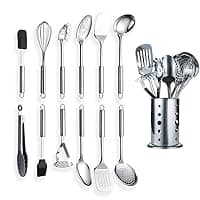
The Berglander 13-piece stainless steel set at £19.53 (down from a 90-day high of £22.98) includes a stand, which saves drawer space in a standard 600mm UK kitchen unit. The stainless steel construction handles high heat on gas and induction hobs without warping, and the full set covers every routine cooking task without the clutter of a 38-piece kit.
Best silicone set for non-stick cookwareWildone Silicone Kitchen Cooking Utensils Set
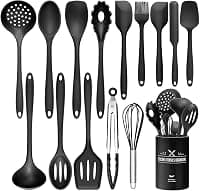
Wildone's 15-piece silicone set is currently £17.09, below its 90-day high of £19.99, and includes a spatula, turner, brush, and whisk alongside spoons. The heat-resistant silicone heads make it the right choice if your hob setup relies on non-stick pans, where metal tools cause real damage over time. At 15 pieces it covers everyday cooking without excess, and the black finish hides staining from regular use.
Best for cheese and vegetable prepCheese Grater with Container and Lid
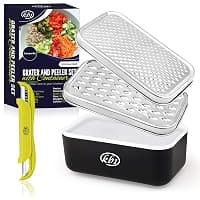
The KitchenBe1 grater set at £21.39 bundles a multi-function stainless steel grater, a storage container with lid, and a peeler into one kit. Its 90-day low was £12.66, making the current price a poor time to buy if you can wait. The integrated container catches grated cheese or vegetables directly, which reduces mess on the worktop and makes portion control straightforward for recipes that call for a specific weight of grated ingredient.
Frequently asked
What is a reasonable price to pay for a kitchen utensil set in the UK?
Based on 37 tracked products, the typical price for a kitchen utensil set in the UK is around £18.59, with the full range running from £6.24 to £39.99. For most households, spending between £15 and £22 gets you a solid stainless steel or silicone set with a stand or holder included. Below £10 you are generally limited to a small single-material set. Above £25 you are usually paying for a larger piece count or a specialist kit rather than a step up in everyday quality.
Are silicone or stainless steel kitchen utensils better for non-stick pans?
Silicone and wooden utensils are both safe on non-stick coatings; stainless steel is not. Metal tools scratch the non-stick surface, which reduces its effectiveness and can release particles into food over time. If your kitchen relies on non-stick frying pans or saucepans, a silicone set in the £15 to £18 range is the right choice. Keep one or two stainless steel pieces for tasks like deglazing a stainless steel or cast iron pan, where a firm edge is useful.
How do I know if a kitchen gadget is on a genuine sale?
Check the 90-day price history before buying. In this category, the average product is currently selling at 14.6% below its 90-day high, which is a real but modest saving. Some products show much larger swings: one outdoor cooking set is currently 29.6% off its recent high, saving £8.00. A drop of 15% or more from the 90-day high is a reasonable signal that the price is genuinely low. Buying at the 90-day high, which for several products here sits around £22 to £25, means paying more than you need to.
Is a 38-piece kitchen utensil set worth buying?
Rarely, for most UK households. A 38-piece set sounds like strong value, but standard UK kitchen drawers in 600mm base units do not accommodate that many loose utensils comfortably. You will likely use 10 to 15 pieces regularly and store the rest in a way that makes them hard to find. A focused 12 to 15-piece set at a similar price point, around £18 to £20, covers everyday cooking and takes up far less space. Opt for a larger set only if you cook for a big household and genuinely use specialist tools like a pasta server or skimmer on a regular basis.
Do wooden kitchen utensils harbour bacteria?
Wood is porous, which means it can absorb moisture and food residue if not dried properly after washing. In a hard-water area, limescale deposits can also build up in the grain over time. That said, research suggests that bacteria absorbed into dry wood do not multiply and die off relatively quickly. The practical rule is to hand-wash wooden utensils promptly, dry them thoroughly, and replace them if they crack or splinter. Do not put them in the dishwasher, as the heat and prolonged moisture will warp and split the wood.