
Whether you're a weekend baker whipping up Victoria sponges or an aspiring pastry chef perfecting your crumb structure, having the right bakeware can make the difference between kitchen triumphs and disasters. The UK market offers an impressive range of baking tins, trays, and pans, but not all are created equal. Poor-quality bakeware can lead to unevenly baked cakes, stuck-on messes, and frustrating kitchen experiences that might put you off baking altogether.
The good news is that excellent bakeware doesn't have to mean breaking the bank or filling every cupboard in your kitchen. Today's best bakeware sets combine clever design with reliable non-stick coatings, offering everything from everyday traybakes to special occasion showstoppers. We've tested and researched the most popular options available to UK buyers, considering factors like heat distribution, durability, ease of cleaning, and how well they perform across different oven types. Many modern sets also feature space-saving stackable designs, a godsend for those of us working with typical British kitchen storage constraints. In this comprehensive guide, we'll walk you through exactly what to look for when investing in bakeware that will serve you well for years to come.
What to look for
01Material and Construction
The material your bakeware is made from significantly impacts baking performance and longevity. Carbon steel is the workhorse of most non-stick bakeware, it heats quickly and evenly, is lightweight enough for easy handling, and resists warping when properly constructed. Look for pieces with a thickness of at least 0.6mm, as thinner materials can buckle under high heat. Aluminised steel offers similar benefits with enhanced rust resistance. For traditional bakers, enamelware provides excellent heat retention and a naturally non-stick surface that develops character over time, though it requires more careful handling to prevent chipping. Silicone bakeware has gained popularity for its flexibility and complete non-stick properties, but it doesn't provide the same crisp edges or browning as metal. Whatever material you choose, check for rolled or reinforced edges, which prevent warping and make the bakeware easier to grip when wearing oven gloves.
02Non-Stick Coating Quality
A reliable non-stick coating transforms the baking experience, making release effortless and cleanup quick. Modern coatings have moved beyond traditional Teflon, with many manufacturers now offering PTFE, PFOA, and BPA-free alternatives that perform brilliantly without controversial chemicals. The best coatings are applied in multiple layers, creating a durable surface that withstands regular use, metal utensils (though we still recommend silicone or wood), and dishwasher cycles. Premium non-stick surfaces often feature a textured or dimpled pattern that promotes air circulation and prevents sticking even in corners and edges. Pay attention to how the coating extends, the best bakeware has non-stick coverage right to the rim, not just on the base. Also consider the colour: darker coatings absorb more heat and promote deeper browning, which is ideal for crusty bread and golden pastries, whilst lighter finishes suit delicate bakes like sponges and meringues that need gentler heat.
03Set Composition and Versatility
A well-curated bakeware set should cover your most common baking needs without overwhelming your storage space. The essentials include at least one large baking tray (around 38-40cm), a round or square cake tin (20-23cm), and a 12-cup muffin tin. Beyond these basics, consider what you actually bake regularly. Loaf tins are invaluable for bread bakers and those who enjoy classic pound cakes. Springform tins make cheesecakes and delicate layered cakes far easier to serve. If you entertain frequently, a roasting tin that doubles as a baking dish adds valuable flexibility. Some sets include specialized pieces like brownie pans with dividers, tart tins with removable bases, or individual pie dishes. Whilst these can be useful, don't let specialty items you'll rarely use dictate your choice. The best sets strike a balance between comprehensive coverage and practical everyday utility, with pieces that nest or stack efficiently for storage.
04Heat Distribution and Oven Compatibility
Even heat distribution is fundamental to consistent baking results, preventing burnt edges and raw centres. Quality bakeware achieves this through uniform material thickness and thoughtful design features like cushioned or perforated bases that promote air circulation. Look for products that specify their maximum temperature tolerance, most should handle at least 220°C, with premium options rated to 240°C or higher for roasting and high-temperature bread baking. Consider your oven type too: fan ovens require bakeware with lower sides to allow proper air circulation, whilst conventional ovens benefit from slightly higher walls that protect bakes from direct top heat. If you have an Aga or Rayburn, you'll need particularly robust bakeware designed for sustained high temperatures. Also check dimensions against your oven's interior, a common frustration is discovering a beautiful new roasting tin that won't fit through your oven door or requires diagonal positioning on the shelf, wasting space you could use for simultaneous baking.
05Cleaning and Maintenance Requirements
Even the finest bakeware loses its appeal if it's a nightmare to clean and maintain. Dishwasher-safe certification is convenient, but hand-washing often extends the life of non-stick coatings and prevents discolouration. The best designs feature smooth, seamless corners where crumbs and batter can't accumulate, and rims wide enough to scrub comfortably. Enamelware requires gentle cleaning with non-abrasive sponges to prevent chipping, whilst carbon steel benefits from occasional oiling to maintain its coating. Consider whether pieces are freezer-safe if you batch-bake and store items for later. Stackability affects not just storage but also cleaning efficiency, bakeware that nests neatly is less likely to get scratched or damaged whilst being stored. Some manufacturers include care instructions or protective sleeves, which suggests confidence in their product's longevity. Finally, check warranty coverage; reputable brands typically offer at least a year's guarantee, with some extending to five years or more for premium ranges.
Our top picks
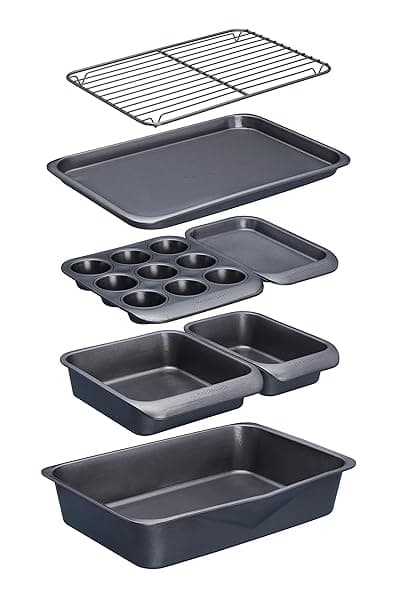
Best OverallMasterClass Smart Space Stacking PTFE
This comprehensive set combines excellent non-stick performance with genuinely clever stackable storage that saves considerable cupboard space. The chemical-free coating delivers consistent release, and the variety of pieces covers everything from weeknight traybakes to celebration cakes, making it ideal for keen home bakers.
Runner UpPRESTIGE
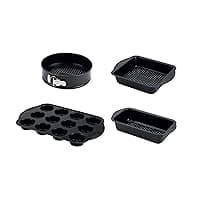
The cushion base technology promotes superior heat distribution, preventing those annoying burnt spots that plague cheaper tins. It's a thoughtfully curated essentials collection that covers most baking scenarios, with the springform tin being particularly useful for cheesecakes and delicate layered desserts.
Worth ConsideringSalter Bakes Stackable 7 Piece Bakeware
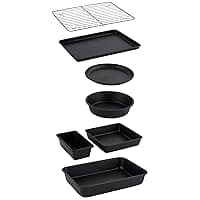
Salter has created a well-balanced set with smart stackable storage and a useful cooling rack included. The range of shapes and sizes handles diverse baking projects brilliantly, and the PFOA-free coating provides peace of mind alongside reliable non-stick performance.
Frequently asked
What's the difference between non-stick and traditional bakeware?
Non-stick bakeware features a coating that prevents food from adhering, making release and cleaning significantly easier, whilst traditional uncoated bakeware requires greasing and often flouring before use. Non-stick is ideal for delicate items like cakes and muffins, but traditional metal or enamel can develop better browning and crusts on items like bread and pastries. Many bakers keep both types for different applications.
Can I put non-stick bakeware in the dishwasher?
Whilst many modern non-stick bakeware sets are labelled dishwasher-safe, hand-washing is generally recommended to extend the coating's lifespan. Dishwasher detergents and high heat can gradually degrade non-stick surfaces, leading to reduced performance over time. A gentle hand-wash with warm soapy water and a soft sponge takes minutes and helps maintain optimal non-stick properties for years.
How do I prevent my bakeware from warping in the oven?
Warping typically occurs when thin bakeware experiences rapid temperature changes or is constructed from inferior materials. Choose bakeware with a minimum thickness of 0.6mm, avoid placing cold bakeware into a preheated oven, and never run hot bakeware under cold water. Allow pieces to cool naturally before washing, and ensure your oven shelves are level so weight distributes evenly across the base.
Do I need to grease non-stick bakeware?
Quality non-stick bakeware often doesn't require greasing for most recipes, though a light coating can improve results with particularly sticky batters or when baking items with high sugar content. For the first few uses of new bakeware, a thin layer of butter or oil helps season the surface and ensures easy release. As the coating matures with use, you may find greasing becomes less necessary.
What's the best way to store bakeware to save space?
Stackable bakeware sets are purpose-designed to nest inside one another, dramatically reducing storage requirements, look for these if cupboard space is limited. For non-stackable pieces, store vertically using tension rods or file organizers in deep drawers, or hang items with handles on hooks inside cupboard doors. Place paper towels or felt protectors between stacked items to prevent scratching non-stick surfaces, and avoid cramming pieces together which can cause warping or damage to rims.