
Multi-cookers have revolutionised home cooking in the UK, transforming cluttered kitchen countertops into streamlined culinary command centres. These versatile appliances combine the functions of pressure cookers, slow cookers, rice cookers, and more into a single device, making them indispensable for busy families, meal preppers, and anyone looking to simplify their cooking routine without sacrificing quality or variety.
The modern multi-cooker market offers an impressive range of options, from basic pressure cookers with a handful of preset programmes to sophisticated devices that can air fry, steam, sauté, and even make yoghurt. Whether you're a student in a compact flat with limited kitchen space, a working parent juggling school runs and dinner times, or a food enthusiast experimenting with new cuisines, there's a multi-cooker designed to meet your specific needs.
Choosing the right multi-cooker requires careful consideration of your cooking habits, family size, and kitchen setup. The best models balance functionality with ease of use, offering intuitive controls, reliable safety features, and cooking performance that genuinely delivers on promises. In this comprehensive guide, we'll walk you through everything you need to know to make an informed decision, from essential features and capacity considerations to cleaning requirements and long-term value. Our selections represent the best performers currently available in the UK market, tested and rated by thousands of real users who cook with them daily.
What to look for
01Capacity and Family Size
Multi-cooker capacity typically ranges from 3 litres to 8 litres, and choosing the right size is crucial for your cooking success. A 5.7-litre model comfortably serves four to six people and is the sweet spot for most UK households, providing enough room for a whole chicken, substantial curry batches, or weekend meal prep without taking up excessive counter space. Smaller 3-litre units suit couples or students, whilst larger 8-litre versions are ideal for big families or those who regularly batch cook for the freezer. Remember that pressure cookers should only be filled two-thirds full for most foods and half full for expanding ingredients like rice and pulses, so factor this into your decision. Consider not just your everyday meals but also your entertaining needs, if you host Sunday roasts or prepare dishes for gatherings, sizing up may prove worthwhile. The inner pot material matters too; stainless steel offers durability and doesn't retain odours, whilst ceramic non-stick coatings make cleaning easier but may require more careful handling.
02Cooking Functions and Versatility
Today's multi-cookers range from straightforward 7-in-1 models to ambitious 12-in-1 devices claiming to replace nearly every kitchen appliance. Core functions typically include pressure cooking, slow cooking, rice cooking, steaming, sautéing, and warming, these six cover most home cooking needs reliably. Additional features like yoghurt making, sous vide, cake baking, and air frying expand possibilities but consider whether you'll genuinely use them. The newer generation of multi-cookers incorporating air frying technology offers particular value, as this popular cooking method typically requires a separate appliance. Preset programmes provide convenience for common dishes like porridge, stews, and various rice types, but manual control with adjustable time and temperature settings offers greater flexibility for adventurous cooks. The quality of implementation matters more than quantity of features, a well-designed 9-in-1 model that excels at each function beats a 15-in-1 device where half the programmes produce mediocre results. Look for models with delay start timers for breakfast porridge or coming-home-to-dinner scenarios, and keep warm functions that maintain food safely without overcooking.
03Safety Features and Build Quality
Pressure cookers operate under significant internal pressure, making robust safety mechanisms absolutely essential. Look for multi-cookers with multiple safety features including lid locking systems that prevent opening whilst under pressure, pressure release valves, anti-blockage vents, and automatic pressure control. Reputable brands incorporate overheat protection and electrical safety cut-offs that prevent accidents if the pot runs dry or malfunctions. The lid design significantly impacts both safety and convenience, models with easy-grip handles, clear locking indicators, and simple pressure release mechanisms reduce user error. Build quality extends beyond safety to longevity; stainless steel housings resist scratches and maintain appearance better than plastic exteriors, whilst thick inner pots distribute heat more evenly and withstand frequent use. Check that sealing rings are readily available for purchase, as these silicone components require annual replacement with regular use and can absorb strong food odours over time. Control panel design matters for daily usability, clear digital displays with intuitive button layouts beat touch-sensitive panels that require consulting the manual for basic operations. Dishwasher-safe components, particularly inner pots and steam racks, significantly reduce the cleaning burden.
04Speed and Cooking Performance
One of the primary appeals of multi-cookers is their ability to dramatically reduce cooking times compared to conventional methods. Pressure cooking can prepare stews, curries, and braised dishes up to seventy percent faster than stovetop cooking, making weeknight dinners from dried beans or tough meat cuts genuinely feasible. However, actual cooking performance varies between models, some reach pressure more quickly, maintain consistent temperatures more accurately, or distribute heat more evenly. The wattage provides a rough indicator of power, with most effective models operating between 1000 and 1200 watts. Models claiming rapid cooking should deliver on those promises; check user reviews for real-world experiences with specific dishes. The sauté function deserves particular attention, as this pre-cooking step is crucial for developing flavour in many recipes, inadequate browning temperatures limit your results. Slow cooking performance varies too; the best multi-cookers maintain steady low temperatures for tender results, whilst lesser models may run too hot, effectively pressure cooking on the slow setting. Consider whether the multi-cooker offers genuine quick-release and natural-release options for pressure cooking, as different recipes require different depressurisation methods for optimal texture and safety.
05Ease of Use and Recipe Support
The best multi-cooker proves worthless if it sits unused because it's too complicated to operate. Intuitive controls, clear displays, and logical programme selections make the difference between daily use and cupboard storage. Models with simple one-touch preset buttons for common dishes help beginners build confidence, whilst manual modes satisfy experienced cooks wanting precise control. Included recipe books vary dramatically in quality, some provide genuinely useful, tested recipes with UK measurements and ingredients, whilst others offer vague instructions or American-focused content. Many manufacturers now provide companion apps with expanded recipe libraries, cooking guides, and timers you can monitor remotely, adding significant value. The learning curve for pressure cooking differs from conventional methods, so good documentation and support matter, particularly regarding liquid requirements, timing adjustments, and safety procedures. Consider the availability of UK-specific online communities and recipe resources for your chosen brand, as these prove invaluable for troubleshooting and inspiration. Practical details like cord length, control panel angle visibility, and steam release direction affect daily convenience, venting steam directly at wall cabinets or towards the user creates unnecessary problems.
Our top picks
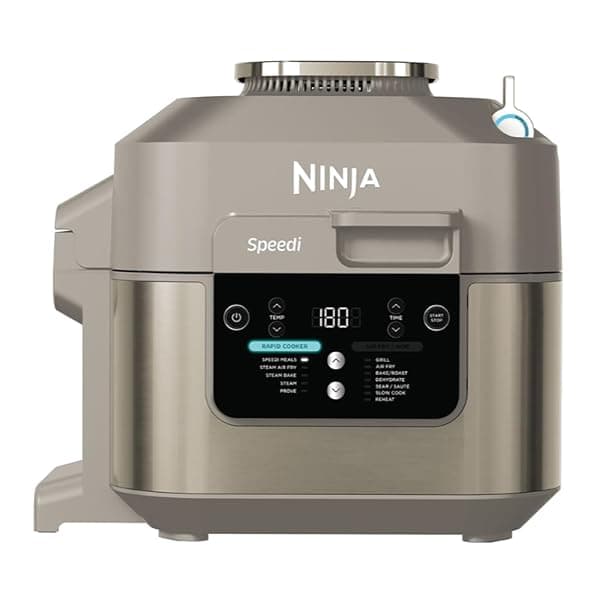
Also GreatNinja Speedi 12-in-1 Multi-Cooker
The Ninja Speedi stands out as a true all-in-one solution, combining multi-cooker functionality with genuine air frying capability that eliminates the need for a separate appliance. Its rapid cooking technology lives up to the "meals in minutes" promise, and the comprehensive 12-in-1 functionality includes grilling and roasting options that expand your culinary repertoire significantly.
Best ValueInstant Pot Duo 7-in-1 Electric Multi-Cooker
The Instant Pot Duo is the brand that popularised electric pressure cooking globally, and its near-20,000 customer reviews demonstrate its proven reliability and performance. The brushed stainless steel construction offers premium durability, whilst dishwasher-safe components and the vast online recipe community make it exceptionally practical for everyday use.
Also greatMorphy Richards Multifunction 10-in-1 Food Multicooker
A strong option in the multi cookers category. Links to our product detail page for full price history before you decide.
Frequently asked
Are multi-cookers worth it for small kitchens?
Absolutely, multi-cookers are particularly valuable for small kitchens as they consolidate multiple appliances into one countertop device. A single multi-cooker can replace your pressure cooker, slow cooker, rice cooker, steamer, and sometimes even your air fryer, freeing up considerable cupboard and counter space. The compact footprint combined with versatile functionality makes them ideal for flats, student accommodation, or anyone working with limited kitchen real estate.
Can you cook frozen meat in a multi-cooker?
Yes, one of the significant advantages of pressure cooker multi-cookers is their ability to safely cook frozen meat without defrosting, though cooking times increase by roughly fifty percent. The high-pressure environment ensures the meat reaches safe internal temperatures throughout whilst remaining tender. However, you cannot use the slow cooker function with frozen meat due to food safety concerns about prolonged time in the temperature danger zone.
How much electricity does a multi-cooker use compared to an oven?
Multi-cookers are considerably more energy-efficient than conventional ovens, typically using between 1000-1200 watts compared to 2000-3500 watts for electric ovens. The shorter cooking times and concentrated heat in a sealed environment mean a pressure cooker uses approximately seventy percent less energy for dishes like stews and roasts. This efficiency translates to lower electricity bills and reduced kitchen heat during summer months, making multi-cookers both economical and comfortable to use year-round.
Do multi-cookers need special recipes or can I adapt normal recipes?
You can adapt conventional recipes for multi-cookers, though some adjustments are necessary for successful results. Pressure cooking requires less liquid than traditional methods as minimal evaporation occurs, and cooking times are typically reduced by two-thirds for most dishes. Slow cooker conversions work more directly with minimal changes needed. Most multi-cookers include recipe books with conversion guidelines, and the large online communities around popular brands provide extensive adapted recipes and timing charts for common dishes.
Are multi-cookers safe to leave unattended?
Modern multi-cookers from reputable manufacturers are designed with multiple safety features that make them safe for unattended cooking, unlike stovetop pressure cookers. Built-in sensors prevent overheating, automatic pressure regulation avoids dangerous pressure buildup, and thermal fuses cut power if malfunctions occur. However, always ensure adequate ventilation around the unit, never obstruct the pressure release valve, and position the cooker away from cabinets or walls where venting steam might cause damage. Following the manufacturer's guidelines ensures safe, convenient hands-off cooking.