
Microwaves have evolved from simple reheating appliances to versatile kitchen workhorses that can defrost, cook, and even grill your favourite meals. Whether you're a student in a compact flat, a busy family managing weeknight dinners, or simply someone who values convenience, choosing the right microwave can transform your daily cooking routine. With countless models flooding the UK market, from basic solo microwaves to sophisticated built-in units with automatic programmes, finding the perfect match for your needs requires careful consideration.
The modern microwave landscape offers something for everyone, but this variety can feel overwhelming. Capacity ranges from compact twenty-litre models ideal for bedsits to spacious family-sized options. Power outputs vary significantly, affecting how quickly and evenly your food cooks. Some models offer straightforward manual controls, whilst others boast touchscreens and sensor cooking technology. Understanding these differences, and which features genuinely improve your experience versus marketing fluff, is essential to making a smart purchase. This guide will walk you through the key factors to consider, helping you invest in a microwave that serves you well for years to come.
What to look for
01Type and Cooking Capabilities
Solo microwaves are the most straightforward and budget-friendly option, using microwave energy alone to heat and cook food. They're perfectly adequate for reheating leftovers, defrosting frozen items, and cooking simple dishes like jacket potatoes or porridge. Grill microwaves add a heating element to brown and crisp food surfaces, making them suitable for toasted sandwiches and gratins. Combination microwaves offer both grill and convection cooking, functioning almost like a small oven for roasting and baking. For most households, a solo microwave handles daily tasks admirably, whilst those wanting to replace other appliances or cook more elaborate meals should consider combination models. Built-in microwaves integrate seamlessly with fitted kitchens and often include premium features, though they require professional installation and represent a more significant commitment. Consider your cooking habits honestly, if you primarily reheat meals and make hot drinks, sophisticated functions may go unused.
02Capacity and Internal Dimensions
Microwave capacity typically ranges from seventeen to thirty-two litres, with twenty to twenty-five litres being the sweet spot for most households. However, external dimensions don't tell the whole story, internal turntable diameter and height clearance determine what you can actually fit inside. A twenty-litre model might struggle with a standard dinner plate if the turntable is too small, whilst some compact microwaves cleverly maximise interior space despite modest external footprints. Measure your intended installation space carefully, allowing ventilation clearance as specified in the manual, typically five to ten centimetres at the back and sides. Consider what you'll cook most frequently: if you regularly heat large casserole dishes or family-sized ready meals, prioritise interior width. Single occupants or couples may find smaller capacities perfectly sufficient, saving valuable worktop real estate. The flatbed design, which eliminates the turntable entirely, is gaining popularity for maximising usable space and accommodating awkwardly shaped dishes, though these models typically command premium pricing.
03Power Output and Control Options
Microwave power ranges from six hundred to one thousand watts, directly impacting cooking speed and evenness. Higher wattage means faster heating, but the difference between eight hundred and nine hundred watts is marginal for most tasks. More important is having multiple power levels, ideally five or more, allowing you to adjust intensity for delicate tasks like melting chocolate or softening butter without overheating. Control interfaces vary from traditional dial mechanisms to digital touchpads and even app connectivity. Dials offer simplicity and reliability, whilst digital controls provide precision and programmability. Auto-cook programmes are convenient for common tasks, though quality varies, some genuinely optimise cooking based on weight sensors, whilst others merely run preset times. Express cook buttons that add thirty-second or one-minute intervals prove surprisingly useful in daily use. Consider who'll use the appliance: elderly users often prefer straightforward dials, whilst tech-savvy households might appreciate programmable memory settings. Quick-start functions that begin cooking immediately at full power save time for simple reheating tasks.
04Build Quality and Interior Materials
Construction quality varies enormously across price points, affecting both durability and cooking performance. Stainless steel interiors resist staining and odours better than painted metal, wiping clean more easily after inevitable splatters. The door mechanism deserves attention, it should feel robust and seal properly, with hinges that don't sag over time. Drop-down doors on built-in models offer easier access than side-opening designs for some users, though they require clearance space below. External finishes range from fingerprint-prone black plastic to premium stainless steel that coordinates with other appliances. Consider cleanability carefully: glossy touchpads show every smudge, whilst textured surfaces hide marks but trap grime in crevices. The turntable should rotate smoothly and quietly, listen to floor models if possible. Removable components like turntables, roller rings, and any grill racks should be dishwasher-safe for convenient cleaning. Child safety locks are essential for families, preventing curious hands from operating the microwave unsupervised. Energy efficiency ratings matter for environmental impact and running costs, with A-rated models consuming significantly less electricity over their lifetime.
05Brand Reputation and Warranty Coverage
Established brands typically offer better build quality, more responsive customer service, and longer-term parts availability. Manufacturers like Panasonic, Sharp, and Bosch have decades of microwave expertise, whilst budget brands may lack comprehensive UK support networks. Warranty length indicates manufacturer confidence, look for at least one year, with some premium models offering two or three years. Check what's covered: parts and labour should both be included, and clarify whether you'll need to arrange courier return or if engineer visits are provided. Extended warranties from retailers can offer peace of mind but represent additional cost, calculate whether the premium justifies coverage given typical microwave lifespans of five to ten years. Read recent customer reviews specifically mentioning reliability and after-sales service, as these reveal real-world experiences beyond marketing claims. Consider parts availability: popular brands make it easier to source replacement turntables or roller rings years later. Registration requirements vary, some warranties activate automatically, whilst others need online registration within thirty days of purchase.
Our top picks
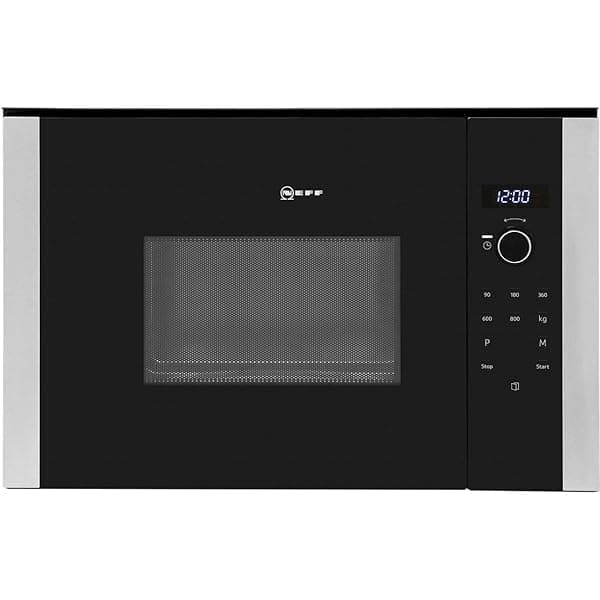
Runner UpNEFF HLAWD23N0B N50
This built-in model represents the premium end of the market, offering seamless kitchen integration and sophisticated automatic programmes that genuinely improve cooking results. The combination of control dial and one-touch buttons provides intuitive operation, whilst Neff's reputation for reliability justifies the investment for fitted kitchen projects.
Best ValueRussell Hobbs RHM2076B 20 Litre 800
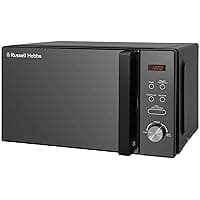
With over sixteen thousand positive reviews, this Russell Hobbs model proves that dependable performance needn't cost the earth. The eight auto-cook menus handle common tasks admirably, whilst the straightforward digital interface and easy-clean interior make daily use hassle-free.
Compact PickTOSHIBA 20 Liter 800W Digital Solo
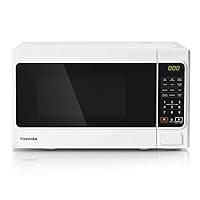
Toshiba packs impressive functionality into a compact footprint, with eleven power levels providing fine control over cooking intensity. The express cook function and preset recipes add genuine convenience for busy households, whilst the white finish offers a refreshing alternative to ubiquitous black models.
Frequently asked
What size microwave do I need for a family of four?
A twenty-five to thirty-litre capacity works well for most families of four, providing enough space for large dinner plates and family-sized casserole dishes. Check the turntable diameter specifically, you'll want at least twenty-seven centimetres to accommodate standard dinnerware comfortably. If you frequently cook larger items like whole chickens or batch meals, consider models towards the thirty-litre end of the range.
Are solo or combination microwaves better value?
Solo microwaves offer better value if you primarily reheat food, defrost ingredients, and cook simple microwave-specific dishes. Combination microwaves with grill and convection functions cost significantly more and consume more energy, but can replace separate appliances if you'll genuinely use these features. For most households, a quality solo microwave meets daily needs whilst leaving budget for other kitchen investments.
How much power does a microwave need?
Most modern microwaves range from seven hundred to nine hundred watts, which handles typical cooking tasks efficiently. Higher wattage cooks faster but won't dramatically improve results for everyday reheating. Focus instead on having five or more power levels for cooking flexibility, as this matters more than raw wattage for achieving good results across different foods.
Should I choose a built-in or freestanding microwave?
Built-in microwaves suit fitted kitchen renovations where seamless aesthetics and space optimisation matter, though they require professional installation and cost considerably more. Freestanding models offer flexibility, you can take them when moving house and position them wherever convenient. Unless you're undertaking a full kitchen refit, freestanding models provide better value and versatility for most households.
How long should a microwave last?
A quality microwave should last seven to ten years with normal domestic use, though budget models may need replacing after four to five years. Build quality matters significantly, stainless steel interiors and robust door mechanisms outlast cheaper painted metal construction. Regular cleaning and avoiding running the microwave empty help maximise lifespan, as does choosing established brands with proven reliability records.