
Coffee machines tracked in the UK currently range from £11.99 to £698.95, with the typical price sitting around £363. That spread reflects genuinely different technologies, not just brand markup. This guide breaks down each price tier so you can spend confidently, whether you want a no-fuss bean-to-cup or a hands-on espresso setup that rivals a high-street café.
What to look for
01Under £50: Manual brew tools and accessories
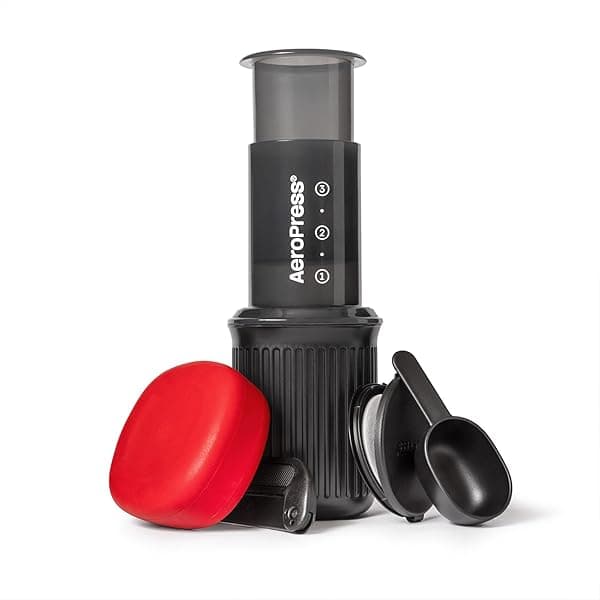
At the bottom of the price range you will find accessories and manual brewers rather than plug-in machines. The AeroPress Go, currently £39.99, is a good example: it requires no electricity, no pods, and no 240V socket, making it ideal for offices or travel. At this price point you are paying for materials and portability, not automation. The cheapest item tracked in this category is a 12-pack of water filter inserts for the Ninja Luxe Café at £11.99 — a reminder that ongoing consumable costs exist at every tier. If you want a proper hot drink at home without a machine, manual brewers here can produce genuinely excellent results, but you will be doing the work yourself every single time.
02£50–£300: Entry-level bean-to-cup and pod machines
This is where fully automatic machines begin to appear. The De'Longhi Magnifica ECAM222.20.B sits at £289.99 right now, close to its 90-day high of £299.99, and delivers four one-touch recipes from whole beans at 1,450W. For most UK households, a machine in this bracket does the daily job well: grind, brew, and dispense with minimal effort. You are not getting a built-in automatic milk frother at the lower end of this range, but a manual steam nozzle is usually included. Hard-water areas should budget for descaling tablets, which add a few pounds per year. Machines here tend to have smaller water reservoirs (around 1.4–1.8 L) and simpler displays, but for one or two cups a day they are more than adequate.
03£300–£500: Mid-range automatics with milk systems
The Philips 3300 Series (EP3347/90) at £421. 50 and the De'Longhi Magnifica Evo Next at £499.99 represent this bracket. Here you gain ceramic grinders (quieter and longer-lasting than steel burrs), integrated milk frothers, and wider recipe menus — the Philips offers six hot and iced drinks. The Philips is also marketed as 40% quieter than its predecessor, which matters in open-plan UK kitchens where the machine sits on a 600mm worktop right next to the living area. Average discounts across tracked machines run at 8.3% off the 90-day high, so checking price history before buying in this range can save £30–£40. Build quality steps up noticeably from the entry tier, with more metal components and larger water tanks.
04£500–£700: Semi-professional and premium automatics
Above £500 you are paying for precision. The Sage Barista Express (£498.99, currently 20.7% off its 90-day high of £628.99, saving £130) includes a built-in conical burr grinder, manual tamping, and a temperature-control milk jug — tools that give you real control over extraction. The Sage Barista Express Impress at £595 adds assisted tamping for consistency. The De'Longhi Rivelia at £649 takes the opposite approach: 16 fully automatic recipes and a full-colour touch display for hands-off convenience. At this price, footprint still matters — the Rivelia is marketed as compact, which is relevant if your kitchen worktop space is limited. Machines here are built to last a decade with proper maintenance, so the per-cup cost over time is lower than it first appears.
05How much do prices move? Watching the 90-day window
Across the 26 coffee machines tracked, the average discount off the 90-day high is 8. 3%. That sounds modest, but on a £600 machine it is roughly £50. The biggest current saving is on the Sage Barista Express: £130 off, or 20.7% below its recent peak. Pod capsule prices also fluctuate — the CafePod 100-capsule variety pack ranges from £30.00 to £45.97 over 90 days, a 53% swing. If you use Nespresso-compatible pods daily, buying in bulk at the low point saves more over a year than hunting for a machine discount. The practical advice: set a price alert on any machine above £300, check the 90-day low before purchasing, and factor in consumable costs (pods, filters, descaler) when comparing total running costs.
Our top picks
Best for travel and office use without a power socket.Aeropress Go Portable Travel Coffee Press
At £39.99 — up slightly from its 90-day low of £34.00 — the AeroPress Go is the only option here that needs no electricity at all. It brews one to three cups in under a minute using manual pressure, fits inside its own mug for packing, and weighs next to nothing. If your office kitchen lacks a dedicated socket or you want café-quality coffee on the road, nothing else in this price range comes close.
Best value premium machine right now.Sage Barista Express
The Sage Barista Express is currently £498.99, which is 20.7% below its 90-day high of £628.99 — a saving of £130. You get a built-in conical burr grinder, manual tamping, and a temperature-control milk jug in brushed stainless steel. For anyone serious about espresso who wants barista-level control without buying a separate grinder, this is the strongest price-to-capability ratio in the category right now.
Best fully automatic machine for quiet kitchens.PHILIPS 3300 Series Bean to Cup
Philips claims the 3300 Series EP3347/90 is 40% quieter than its predecessor, which is a meaningful spec in open-plan homes. At £421.50, it sits below its 90-day high of £473.00 and includes a ceramic grinder, the LatteGo milk frother (no tubes to clean), and six hot and iced drink options. The ceramic burrs are gentler on beans and last longer than steel alternatives at this price point.
Frequently asked
How much should I spend on a coffee machine in the UK?
UK coffee machines range from £11.99 for accessories to £698.95 for premium automatics, with the average tracked price at £363.21. For most households, £250–£350 covers a reliable bean-to-cup machine with a manual milk frother. If you drink two or more milky coffees daily, stepping up to £400–£500 for an integrated automatic frother pays off in convenience. Only go above £500 if you want hands-on espresso control or a wide recipe menu with a colour display.
Are coffee machine prices lower in January or Black Friday sales?
Prices do move. Across 26 machines tracked, the average discount off the 90-day high is 8.3%, but individual machines vary widely. The Sage Barista Express is currently 20.7% off its recent peak. The De'Longhi Rivelia has ranged from £229 to £699 over its tracked history. The practical approach is to note the 90-day low for any machine you are considering and set a price alert rather than waiting for a specific sale event.
What is the ongoing cost of running a coffee machine in the UK?
Running costs depend on your machine type. Pod machines use Nespresso-compatible capsules: a 100-pack of CafePod pods ranges from £30.00 to £45.97 depending on timing, so buying at the low point matters. Bean-to-cup machines need whole beans (typically £8–£15 per 250g for quality coffee), descaling tablets every few months (especially in hard-water areas such as London and the South East), and occasional water filter replacements. Budget roughly £5–£10 per month in consumables on top of the machine purchase price.
Is a bean-to-cup machine worth the extra cost over a pod machine?
For daily use, yes. Bean-to-cup machines grind fresh for each cup, which produces noticeably better flavour and aroma. The De'Longhi Magnifica at £289.99 costs more upfront than a basic pod machine, but freshly ground beans cost less per cup than branded capsules over time. The trade-off is a larger footprint on your 600mm worktop and a few extra minutes of cleaning per week. If convenience is the priority and cost-per-cup is less important, pods remain a valid choice.
Do UK coffee machines need a special plug or voltage?
No special setup is needed. All machines in this guide run on the standard UK 240V mains supply with a standard three-pin plug. Wattage varies: the De'Longhi Magnifica runs at 1,450W, which is typical for bean-to-cup machines. Higher wattage generally means faster heat-up times. The AeroPress Go uses no electricity at all. Always check that your kitchen circuit can handle the load if you are running multiple high-wattage appliances simultaneously, though a single coffee machine on a standard 13A socket is never a problem.