
The machine price is only part of the story: a pod habit can cost £400 a year more than grinding your own beans, and that gap compounds fast. This guide breaks down the true running cost of every coffee machine type available in the UK right now, from a £36.90 AeroPress Go to a £699.00 fully automatic bean-to-cup, so you can pick the one that suits your budget and your daily cup count.
What to look for
01Cost per cup: pods, beans, and ground coffee compared
Pods (Nespresso Original, Dolce Gusto, and own-brand supermarket capsules) typically cost between 25p and 45p each at UK retailers such as Tesco and Waitrose. Specialty pods push past 60p. By contrast, a decent bag of whole beans, say a 1 kg specialty roast at £12.00 to £18.00, works out to roughly 8p to 15p per double-shot espresso. Pre-ground coffee sits in a similar range. Over 365 days at two cups a day, the difference between a 35p pod and a 12p bean cup is £169.35 per year. Over three years, that more than covers the price gap between a budget machine and a mid-range bean-to-cup. The maths strongly favours beans if you drink two or more cups daily. Pods win only on convenience and zero-waste grinding, which is a legitimate priority for some households.
02Machine purchase price vs payback period
The AeroPress Go at £36. 90 has virtually no payback period because there are no ongoing consumables beyond coffee and paper filters (roughly £3.00 to £5.00 per 350-pack). The De'Longhi Magnifica at £299.99 pays back its premium over a pod machine in under 18 months at two cups a day. The Sage Barista Express at £498.99 takes closer to 30 months to beat a pod habit, but its 16 grind settings and 15-bar pump mean the quality ceiling is far higher. At the top end, the De'Longhi Rivelia at £699.00 is harder to justify on running cost alone; it makes sense only if you value the fully automatic milk frother and 16 one-touch recipes enough to pay for them upfront. Always check the 90-day price history before buying: the Philips 3300 has swung between £134.00 and £475.00 in the past 90 days, so patience is rewarded.
03Energy use on UK 240V mains
Most bean-to-cup machines draw 1,300W to 1,500W during the heat-up cycle, then drop to a standby draw of 1W to 5W. The De'Longhi Magnifica is rated at 1,450W. At the UK average electricity rate of around 24p per kWh (as of early 2026), a 30-second heat-up plus a 25-second brew cycle uses roughly 0.5 Wh to 0.8 Wh per cup, costing a fraction of a penny in electricity. Energy cost is therefore not a meaningful differentiator between machines. What matters more is whether the machine has an auto-off timer, which prevents it sitting at full temperature for hours. If you live in a hard-water area (much of southern England and the Midlands), descaling frequency is a hidden running cost: budget £3.00 to £8.00 per descaling kit every one to three months depending on your water hardness and usage.
04Maintenance and consumables beyond coffee
Bean-to-cup machines require regular cleaning tablets, descaler, and occasional grinder burr replacement. For De'Longhi and Philips machines, official cleaning kits cost £8.00 to £15.00 and are recommended every 200 to 300 cycles. The Philips 3300's LatteGo milk system is marketed as fastest-to-clean, which reduces the time cost of daily rinsing. Manual machines like the AeroPress Go use paper micro-filters (around £5.00 per 350 filters) or a reusable metal filter (one-off £12.00 to £18.00). The Sage Barista Express and Breville Barista Max both use a 15-bar Italian pump and a steam wand, meaning the portafilter basket and steam tip need regular back-flushing. Factor in roughly £20.00 to £40.00 per year in consumables for a bean-to-cup, versus £5.00 to £10.00 for a manual brewer.
05Grinder type and its effect on bean cost
A ceramic burr grinder, as found in the Philips 3300, produces a more consistent grind than a steel blade grinder and is less prone to heat transfer that can stale the coffee. Consistent grind means you extract more flavour per gram, so you use slightly less coffee per cup. The Sage Barista Express offers 16 grind settings, letting you dial in for different bean origins and roast levels, which reduces waste from over- or under-extraction. If your machine has a poor grinder, you may compensate by using more coffee, quietly inflating your per-cup cost. A machine with a quality integrated grinder can therefore offset part of its higher purchase price through better extraction efficiency over time.
Our top picks
Best for lowest long-term running costAeroPress Go
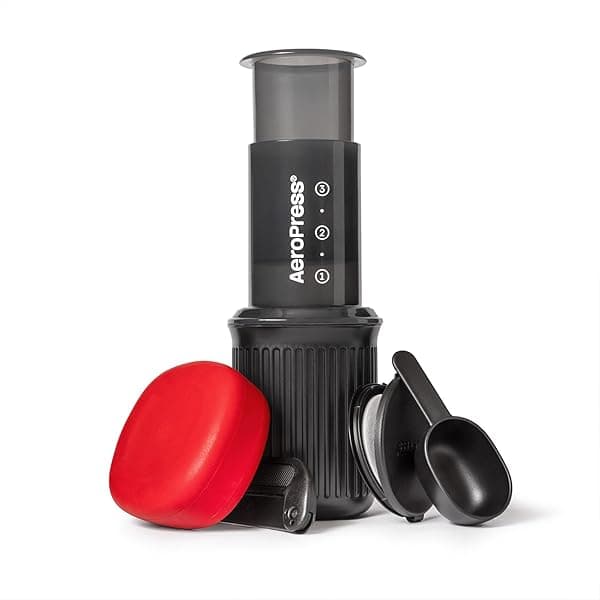
At £36.90 and currently within £1.00 of its 90-day low of £35.90, the AeroPress Go is the cheapest entry point in this guide. There are no pods, no descaling tablets, and no grinder burrs to replace. A reusable metal filter eliminates the paper filter cost entirely. It brews in under two minutes and produces a clean, low-bitterness cup. For anyone who grinds beans at home and wants the lowest possible cost per cup, nothing here comes close.
Best value if you catch a price dropPhilips 3300 Series Bean to Cup
The Philips 3300 is listed at £349.00 today, but its 90-day low was £134.00, a swing of £215.00. If you set a price alert and wait, this ceramic-grinder machine with LatteGo milk frother becomes exceptional value. The ceramic burr grinder extracts more efficiently than steel blades, keeping your per-cup bean cost down. The 40% quieter claim versus its predecessor is useful in open-plan UK kitchens where early-morning grinding is a household issue.
Best for espresso quality and grind controlSage
The Sage Barista Express costs £498.99 and sits just £0.01 below its 90-day high, so it is not on sale right now. What justifies the price is the combination of a 15-bar Italian pump, PID temperature control, and 16 grind settings in a single 600mm-friendly footprint. Dialling in your grind reduces waste per shot, and the manual steam wand produces genuine microfoam. For households replacing a daily flat-white cafe habit at £3.50 to £4.50 a cup, payback is under six months.
Best fully automatic for milk-drink householdsDe'Longhi Magnifica Evo Next ECAM312.80.TB
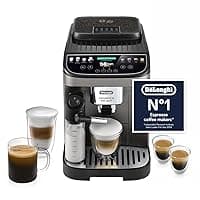
The De'Longhi Magnifica Evo Next at £499.99 includes an automatic milk frother that handles lattes and cappuccinos without manual steaming. Its 90-day low was £380.00, so there is room for a price drop worth waiting for. The intuitive touch display and bean-to-cup automation mean every member of a household can use it without training. Running costs mirror other bean-to-cup machines at 8p to 15p per cup in beans, making it far cheaper per drink than a pod machine over a full year.
Frequently asked
Are pod coffee machines cheaper to run than bean-to-cup?
No, in almost every scenario pods are more expensive per cup. Nespresso Original pods cost roughly 30p to 45p each at UK supermarkets. A bag of whole beans produces espresso for 8p to 15p per double shot. At two cups a day, the bean route saves approximately £150 to £270 per year. Pod machines have a lower upfront cost, typically £60 to £150, but the consumable cost overtakes the machine price difference within 12 to 18 months for most households.
How much does it cost to descale a coffee machine in the UK?
Official descaling kits for De'Longhi, Sage, and Philips machines cost £6.00 to £15.00 per treatment at UK retailers. How often you descale depends on your local water hardness: in London and the South East, where water hardness exceeds 300 mg/L, you may need to descale every four to six weeks with heavy use. In softer-water areas such as Scotland and Wales, every three to four months is more typical. Budget £20.00 to £50.00 per year for descaler if you are in a hard-water area.
Is it worth buying an expensive coffee machine to save money on coffee?
It depends on your daily cup count and what you are replacing. If you currently buy two cafe coffees a day at £3.50 to £4.50 each, any machine in this guide pays back in weeks. If you are switching from a pod machine, a £299.99 bean-to-cup like the De'Longhi Magnifica pays back its premium in under 18 months at two cups a day. If you drink only one cup a day, a £36.90 AeroPress Go with home-ground beans is the most cost-efficient option available.
Do coffee machines use a lot of electricity in the UK?
No, electricity is a negligible part of coffee machine running costs. A 1,450W machine like the De'Longhi Magnifica draws full power for roughly 30 to 60 seconds per brew cycle. At the UK average rate of around 24p per kWh, that works out to less than 0.5p per cup in electricity. The bigger energy concern is leaving the machine on standby for hours: look for models with an auto-off function, which most modern bean-to-cup machines include.
What is the cheapest coffee machine to run overall?
The AeroPress Go at £36.90 has the lowest total cost of ownership in this guide. There are no pods, no descaling tablets required (it uses no boiler), and a reusable metal filter eliminates paper filter costs. Your only ongoing expense is coffee beans or ground coffee. For one to two cups a day using home-ground beans at £14.00 per kg, your annual coffee cost is roughly £25 to £50. No other machine in this category comes close to that figure.