
Most UK coffee machines draw between 1,000W and 1,600W from your 240V mains supply, and that gap matters more than you might think. A 1,450W bean-to-cup machine like the De'Longhi Magnifica heats up in roughly 40 seconds, while lower-wattage pod machines trade speed for economy. This guide explains what the numbers mean and which machine suits your daily routine.
What to look for
01Wattage and heat-up time
Wattage is the single biggest factor in how quickly a coffee machine reaches brewing temperature. On the UK's 240V mains supply, a 1,450W machine like the De'Longhi Magnifica ECAM222.20.B heats its boiler in around 35 to 45 seconds. Drop below 1,200W and you can add 20 to 30 seconds to that wait. For a household making two or three coffees in quick succession, a higher-wattage machine with a thermoblock or dual-boiler system recovers heat faster between shots, so you are not standing in the kitchen waiting. Manual machines such as the Sage Barista Express typically sit at 1,600W or above precisely because they need to maintain stable brew temperature and steam pressure simultaneously. If you only make one coffee a day, a lower-wattage option or a manual press like the AeroPress Go (which uses no electricity at all) may suit you better.
02Running costs on a typical UK tariff
At the current Ofgem price cap of roughly 24p per kWh, a 1,450W machine running for three minutes per brew costs about 0. 17p per cup. That sounds trivial, but the standby and warm-up cycles add up. Many fully automatic machines sit in a heated standby state for hours. A machine drawing 1,450W for a five-minute warm-up cycle costs around 0.29p each time. Multiply that by two uses a day over a year and you are spending roughly £2.10 just on warm-up energy. The Philips 3300 Series markets its ceramic grinder as quieter, which also reflects a more efficient motor. If running costs concern you, look for machines with an auto-off timer, which most models above £300 now include. The AeroPress Go uses zero electricity, making it the cheapest to run by a wide margin.
03Wattage versus kitchen circuit capacity
UK ring-main sockets are rated at 13A, which gives a maximum of 3,120W per socket on a 240V supply. A coffee machine at 1,600W leaves comfortable headroom, but be mindful if you run a toaster (up to 2,400W) or a kettle (typically 2,400W to 3,000W) on the same ring at the same time. In practice, most kitchens have multiple sockets on the same ring circuit, so simultaneous high-draw appliances can trip a breaker. This is rarely a problem with coffee machines specifically, but it is worth knowing if your kitchen has older wiring. Compact machines such as the De'Longhi Rivelia are designed to fit within a 600mm cupboard-width worktop run, and their wattage (typically 1,450W to 1,500W) sits well within normal domestic circuit limits.
04Manual versus automatic: where wattage fits in
Fully automatic bean-to-cup machines need sustained wattage to power a grinder motor, a heating element, and a pump simultaneously. The Sage Barista Express and Barista Express Impress both use a high-wattage element to maintain the precise 93°C brew temperature that espresso extraction requires. Semi-automatic and manual machines give you more control but still demand a capable element for steam. The AeroPress Go sidesteps all of this: you supply hot water from a separate kettle (your UK kettle is almost certainly 2,400W to 3,000W, so it boils fast), then the AeroPress itself uses no power. For travellers or office workers, that zero-watt footprint is a genuine practical advantage, not just a marketing point.
Our top picks
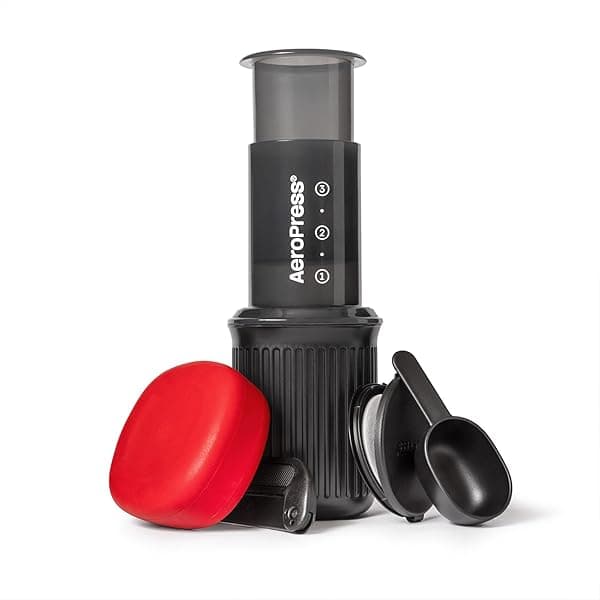
Best zero-watt option for travel or the officeAeropress Go Portable Travel Coffee Press
The AeroPress Go draws 0W because it relies entirely on hot water you supply separately. At £39.99 (its 90-day low was £34.00), it is the most affordable pick here and produces 1 to 3 cups per press in under a minute. The included mug and lid make it genuinely portable, and it is compatible with standard ground coffee, so there are no proprietary pods to buy.
Best for barista-quality espresso at homeSage Barista Express
The Sage Barista Express is currently £498.99, well below its 90-day high of £628.99, making this a strong moment to buy. Its integrated grinder and high-wattage heating element maintain the stable 93°C brew temperature that separates a proper espresso from a mediocre one. Manual tamping gives you control that fully automatic machines cannot match, and the brushed stainless steel finish suits most UK kitchen aesthetics.
Best fully automatic for quiet morningsPHILIPS 3300 Series Bean to Cup
Philips markets the 3300 Series EP3347/90 as 40% quieter than its predecessor, which matters in open-plan UK homes. At £421.50 (against a 90-day high of £473.00), it offers a ceramic grinder, LatteGo milk frother, and six hot and iced drink options. The fastest-to-clean claim is backed by a removable LatteGo system with just two parts to rinse.
Best for beginners who want espresso-bar resultsSage Barista Express Impress
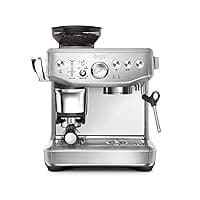
The Sage Barista Express Impress adds assisted tamping to the standard Barista Express formula, removing the most common beginner mistake. At £595.00 (its 90-day low was £580.00), it is the priciest manual pick here, but the guided workflow means you are far less likely to produce under-extracted shots while you are still learning. The brushed stainless steel build feels robust on a UK worktop.
Frequently asked
How many watts does a coffee machine use in the UK?
Most UK coffee machines draw between 1,000W and 1,600W during brewing. Fully automatic bean-to-cup machines such as the De'Longhi Magnifica (1,450W) sit in the middle of that range. Espresso machines with integrated grinders and steam wands, like the Sage Barista Express, tend toward the higher end. Manual brewers like the AeroPress Go use no electricity at all. Standby consumption is typically 1W to 5W on modern machines with auto-off features.
Does a higher-wattage coffee machine cost more to run?
Marginally, yes, but the difference is small. At the current UK rate of roughly 24p per kWh, a 1,600W machine brewing for three minutes costs about 0.19p per cup versus 0.14p for a 1,100W machine. The bigger cost variable is how long the machine stays in a heated standby state. Look for models with a programmable auto-off timer, which most machines above £300 include, to keep running costs down.
Can I run a coffee machine and a kettle at the same time in the UK?
Technically yes, but be cautious. A UK kettle typically draws 2,400W to 3,000W, and a coffee machine adds another 1,450W to 1,600W. Together that is up to 4,600W, which exceeds the 3,120W safe limit of a single 13A socket. If both appliances share the same ring circuit and other high-draw devices are also on, you risk tripping a breaker. Use separate sockets on different circuits where possible, or simply wait for the kettle to finish before starting the coffee machine.
Is a bean-to-cup machine worth the higher price over a pod machine?
For most people who drink two or more coffees a day, yes. Pod machines lock you into proprietary capsules costing roughly 30p to 50p each. Fresh beans for a bean-to-cup machine typically cost 8p to 20p per cup depending on quality. Over a year of two daily coffees, that saving can comfortably offset the higher upfront cost of a machine like the De'Longhi Magnifica at £289.99. Bean-to-cup also gives you fresher flavour, as the grind happens immediately before brewing.
What coffee machine is best for a hard-water area in the UK?
If you live in a hard-water area (most of southern England and the Midlands), choose a machine with a built-in water filter and a descaling alert. The De'Longhi Magnifica and Philips 3300 Series both include filter holders and prompt you to descale based on water hardness settings you input at setup. Descaling every one to three months in hard-water areas is realistic. Using filtered water also improves flavour by reducing the mineral interference with espresso extraction.