
Food storage containers range from £9.44 to £47.99 across 34 products tracked in the UK, and the gap in price rarely maps neatly onto quality. What you actually pay for is material type, container count, and seal design. This guide breaks down what each price tier gets you so you can stop overspending on features you will never use.
What to look for
01Material type: plastic versus glass and what you pay for each
Plastic containers dominate the lower end of the price range. A 50-pack of 500 ml BPA-free plastic boxes, such as the We Can Source It Ltd set, sits at £9.44, which works out to under 19p per container. That is catering-grade polypropylene: microwave and freezer safe, stackable, and perfectly adequate for batch cooking or packed lunches. At the mid-range, around the £18.32 average, you find branded plastic sets with clip or locking lids that improve the airtight seal. Glass containers command a higher price because borosilicate or tempered glass is heavier to ship, more expensive to mould, and genuinely more durable over years of use. A 5-pack of 850 ml glass containers currently sits at £21.99, while a 10-pack reaches £29.77. Glass is also odour-neutral, which matters if you store curries or fish in the fridge regularly. For most UK households, plastic is fine for short-term fridge storage; glass earns its price premium only if you reheat food directly in the container or want something that lasts a decade.
02Container count and cost-per-unit: where bulk buying pays off
The single most reliable way to judge value in food storage is cost per container, not headline price. A 24-piece airtight set at £28.99 costs roughly £1.21 per piece, which includes lids. A 50-pack of 650 ml plastic tubs at £10.99 costs just 22p per unit. The jump in price-per-unit between budget bulk packs and premium branded sets is often four to six times, so ask yourself whether you genuinely need an airtight seal for every container. Dry goods such as pasta, rice, and cereal benefit most from a proper airtight lid, which keeps moisture and pests out, particularly in older UK kitchens where cupboard seals are imperfect. For leftovers that will be eaten within 24 hours, a simple snap-on lid is sufficient. Buying a mixed set, a few airtight containers for dry goods and a larger bulk pack for meal prep, usually delivers the best overall value rather than committing to one premium set for every purpose.
03Airtight and leakproof seals: what the price difference actually buys
Not all lids are equal, and this is where mid-range products justify their cost over budget options. A basic snap-on lid creates a friction seal that is adequate for the fridge but will leak in a bag. Clip-lock lids, such as those on the Sistema KLIP IT PLUS range, use a hinged latch to compress a silicone or rubber gasket, creating a genuinely leakproof seal. This matters for school lunch boxes, commuter bags, and anything containing liquid. The Sistema KLIP IT PLUS 1 L 4-count set is currently 30.2% off its 90-day high, saving £5.37, making it one of the better-value leakproof options available right now. Cereal dispensers and dry-goods containers, such as the nuovva 4-piece set at £23.99, use a different mechanism: a wide-mouth flip lid designed for pouring rather than carrying. These are not leakproof but are highly airtight, which is the correct priority for flour, cornflakes, and sugar stored in a 600 mm kitchen cupboard. Paying more for a seal type you do not need is the most common mistake UK buyers make in this category.
04Discounts and price volatility: when to buy and when to wait
Across the 34 food storage products tracked, the average discount off the 90-day high price is 13. 2%, which means patience is rewarded in this category. Prices fluctuate more than most shoppers expect. The Vtopmart 24-piece set, for example, has ranged from £14.99 to £28.99 within 90 days, a difference of £14.00 on a single product. Buying at the peak price is easy to do if you shop impulsively. The Sistema KLIP IT PLUS 1 L set is currently at its 90-day low, 30.2% off, which is a genuine saving rather than an inflated reference price. If a set you want is near its 90-day high, it is worth waiting two to four weeks. The typical price across all tracked products is £18.32, so anything above £25.00 for a plastic set without glass components deserves scrutiny. Glass sets above £30.00 are reasonable if the count is ten or more pieces. Use the 90-day low as your benchmark for what a product should actually cost.
Our top picks
Best for bulk meal prep on a tight budgetWe Can Source It Ltd
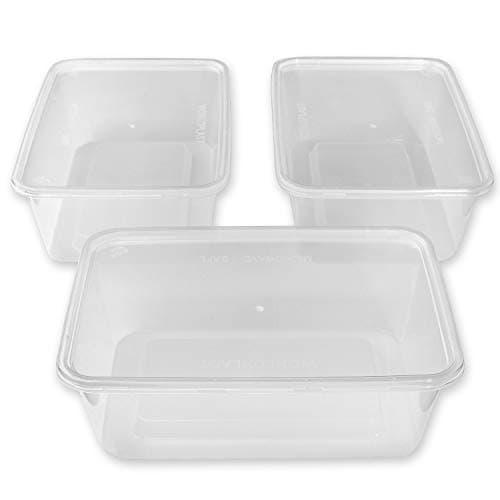
At £9.44 for 50 containers, the We Can Source It Ltd 500 ml set costs under 19p per unit, making it the cheapest tracked option across 34 products. Each box is BPA-free, microwave and freezer safe, and catering grade. There is no airtight clip mechanism, so these are not for carrying liquids, but for batch-cooking portions destined for the fridge or freezer, nothing else comes close at this price.
Best leakproof container for packed lunchesSistema KLIP IT PLUS Leakproof Food
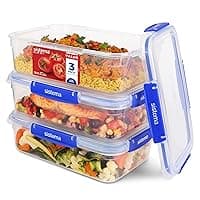
The Sistema KLIP IT PLUS 2.2 L set is currently at a 90-day low, with the 1 L 4-count variant sitting 30.2% off its recent high, saving £5.37. The clip-lock lid compresses a silicone gasket to create a genuinely leakproof seal, which holds up in a school bag or commuter rucksack. Each 2.2 L container is stackable and nestable, so it fits neatly into a standard 600 mm kitchen cupboard without wasted space.
Best glass set for long-term fridge and oven useGOOD FOR YOU Glass Container Food
![GOOD FOR YOU Glass Container Food Storage - [10 Pack] Meal Prep Containers with Lids - Leak Proof food storage containers (10 Lids & 10 Lunch Containers) BPA Free glass food storage containers — Food Storage deal](/_next/image?url=https%3A%2F%2Fm.media-amazon.com%2Fimages%2FI%2F81oIq2pVJKL._SL200_.jpg&w=256&q=75)
The GOOD FOR YOU 10-pack glass set is currently at £29.77, down from a 90-day high of £39.99, giving you ten containers and ten lids at under £3.00 per unit. Glass is odour-neutral and safe to move directly from fridge to oven, which plastic cannot match.
Best airtight set for dry goods and cereal storagenuovva Cereal Storage Containers
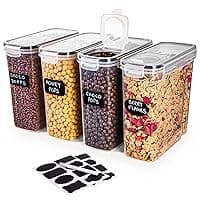
The nuovva 4-piece cereal dispenser set costs £23.99, down from a 90-day high of £25.99. Each container is BPA-free and uses a wide-mouth flip lid designed specifically to keep moisture out of dry goods such as flour, cornflakes, and sugar.
Frequently asked
How much should I pay for food storage containers in the UK?
Prices across tracked UK products run from £9.44 to £47.99, with a typical price of £18.32. For a basic bulk set of plastic containers for meal prep or leftovers, £9.44 to £12.00 is reasonable. For a branded airtight or leakproof set with clip-lock lids, expect to pay £18.00 to £25.00. Glass sets of ten or more pieces are fair value at £29.00 to £35.00. Anything above those thresholds deserves a close look at the 90-day price history before you buy.
Is glass food storage worth the extra cost over plastic?
Glass is worth paying more for in two specific situations: first, if you reheat food directly in the container, since glass goes safely from fridge to oven without warping or leaching; second, if you store strongly flavoured foods such as curries or fish, since glass does not absorb odours the way plastic does over time. For short-term fridge storage of mild foods, BPA-free plastic performs just as well at a fraction of the cost. A 10-pack glass set at around £29.77 is a reasonable long-term investment; a 5-pack at similar prices is harder to justify unless you have specific needs.
What is the difference between airtight and leakproof food containers?
Airtight means the lid creates a seal that prevents air exchange, which keeps dry goods such as flour, cereal, and coffee fresh for longer. Leakproof means the seal also prevents liquid from escaping when the container is tipped or carried in a bag. Clip-lock lids with a silicone gasket, such as those on the Sistema KLIP IT PLUS range, are both airtight and leakproof. Simple snap-on lids are often neither. If you are buying containers primarily for packed lunches or commuting, prioritise leakproof. For pantry dry goods, airtight is sufficient and usually cheaper.
Are cheap plastic food containers safe to use in the microwave?
Most budget plastic containers sold in the UK are labelled BPA-free and microwave safe, including the We Can Source It Ltd 50-pack and the GUANFU meal prep set. Microwave-safe polypropylene (PP, recycling code 5) is the standard material and is considered safe for reheating food. Avoid microwaving any container that is not explicitly labelled microwave safe, as lower-grade plastics can warp or release compounds when heated. Always remove the lid or vent it slightly when microwaving to prevent pressure build-up.
When is the best time to buy food storage containers to get a good price?
Prices in this category fluctuate significantly. The average discount off the 90-day high across tracked products is 13.2%, and individual products such as the Vtopmart 24-piece set have swung by £14.00 within a single 90-day window. Check the 90-day low price before buying: if the current price is close to the 90-day high, waiting two to four weeks often brings a meaningful saving. January and late autumn tend to see promotional pricing as retailers clear stock, but deals appear year-round in this category.