
Glass and plastic food storage containers both keep leftovers covered in the fridge. The differences show up when food is reheated, frozen, carried to work or dropped on a tiled floor. Oven-safe glass can go in the oven and stays clear for years, while plastic is lighter and usually survives a fall. Read on to match each material to the way you use your containers, and to see which lids are worth having.
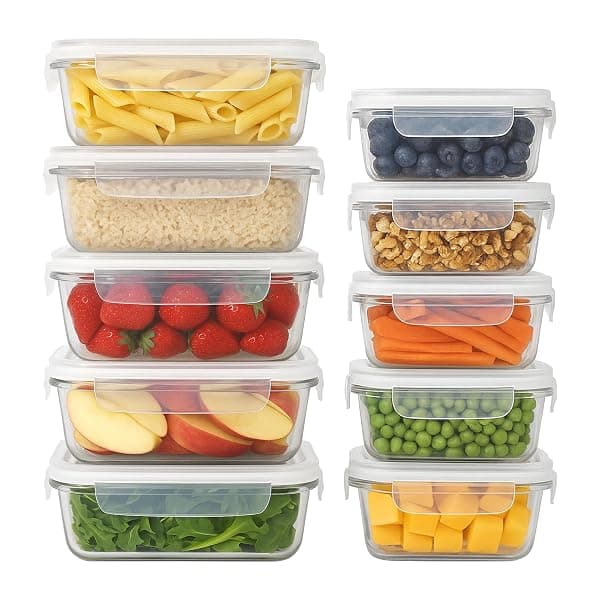
What to look for
01Which is better for reheating: glass or plastic?
Glass is better if you reheat in the oven or air fryer, because plastic food containers can't go in either. Glass bases sold as oven safe can go in the oven, though their lids usually can't. The Harbour Housewares 10 pack and the LocknLock Eco Ovenglass sets are sold as oven safe, the Franklin Lade 800ml set lists oven, air fryer, freezer and dishwasher use, and the MFY 10 piece set lists microwave, oven, freezer and dishwasher. Plastic is fine in the microwave when the tub is marked microwave safe, such as the delka 10 pack or the We Can Source It 650ml tubs. Loosen or vent the lid before microwaving either type, and take any plastic lid off completely before a glass base goes in the oven.
02Do plastic containers stain and hold smells?
Yes, plastic picks up stains and smells over time, and glass doesn't. Tomato sauce, curry and anything with turmeric can leave an orange tint on plastic, especially when the food goes in hot or is reheated in the tub, and garlic or onion smells can hang on after washing. Glass has a smooth, non-porous surface, so a Harbour Housewares or Igluu glass container comes out of the washing-up looking the same as it went in. The weak point on any container is the lid seal, where smells can collect, so pull the seal out to wash it if the lid allows. If you often store curries, chilli or bolognese, glass keeps looking new for longer.
03When is plastic the better choice?
Plastic is the better choice for containers that travel, and for households with children, because it is light and doesn't shatter when dropped. A lunch box carried to school or work in a bag weighs less in plastic, and a tub knocked off the worktop usually survives. The Sistema KLIP IT PLUS 1L containers are sold as airtight, leakproof and stackable school lunch boxes, and the HOMESHOPA set of 2 large lunch boxes has a carrying handle. Plastic also makes sense in quantity: the JSCORES 40 piece set gives 20 tubs and 20 lids with labels and a pen, which helps if you freeze a lot of single portions. A stack of 10 glass containers is noticeably heavy to lift down from a high shelf, which matters if cupboards are above head height.
04Which copes better in the freezer?
Both work in the freezer when sold as freezer safe, but glass needs more care with sudden temperature changes. Glass can crack if it goes straight from the freezer into a hot oven or when boiling liquid is poured into it straight from the fridge, so thaw it in the fridge first. With either material, leave a gap at the top, because liquids expand as they freeze. The Harbour Housewares, Franklin Lade and MFY glass sets are all listed as freezer safe. A frozen block of soup slides out of a flexible plastic tub more easily, though thin tubs can turn brittle in the cold and crack if knocked. The We Can Source It 50 packs, in 500ml, 650ml, 750ml and 1000ml sizes, are sold as microwave and freezer safe and suit anyone who freezes food in bulk.
05What lids and stacking should you look for?
Look for clip lids with a seal if you carry soup or sauces, and for stacking or nesting shapes if cupboard space is tight. Clip lids press the seal down on every side, which is what stops leaks in a bag. The Sistema KLIP IT PLUS 2.2L is sold as airtight, stackable and nestable, so the empty tubs sit inside each other. Plastic sets like the delka 10 pack, with 5 x 400ml and 5 x 1000ml tubs, are listed as stackable and leak-proof. Glass bases have thicker walls and rarely nest inside each other, though square glass boxes such as the Franklin Lade 800ml stack neatly with the lids on. Round containers like the LocknLock Eco Ovenglass leave gaps at the corners of a fridge shelf. Sets with only one or two lid sizes make it quicker to find the lid that fits.
Our top picks
Best for oven-safe glass in 2 sizesHarbour Housewares Glass Containers with Airtight
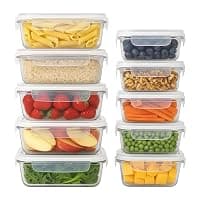
Ten glass containers in 2 sizes, 1040ml and 370ml, with airtight, leak proof lids, sold as oven safe, freezer safe and BPA-free. The larger size takes a main meal and the smaller a side or a sauce. With only 2 lid sizes, matching lids to bases is quick.
Best for round glass with recycled lidsLocknLock Eco Ovenglass Glass Food Containers
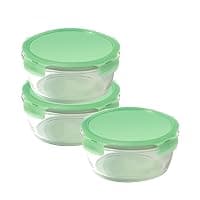
Three round 950ml glass containers, oven safe and dishwasher safe, with airtight, leakproof lids made from recycled plastic. Round dishes suit soup, stew and anything you spoon out. LocknLock also sells a set of 5 if you need more.
Best for reheating in the air fryerFranklin Lade Glass Meal Prep Containers
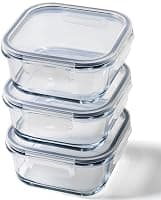
Franklin Lade lists these 800ml square glass containers as oven, air fryer, freezer and dishwasher safe, with airtight lids and BPA-free materials. The square shape stacks neatly in the fridge. With 3 in the set, it suits one or two people rather than a big household.
Best for lunch boxes that travelSistema KLIP IT PLUS Leakproof Food
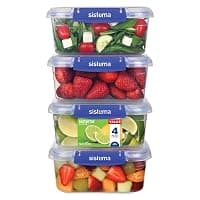
Four 1 litre Sistema KLIP IT PLUS containers, sold as leakproof, airtight, stackable and BPA-free. They are light enough for a school or work bag, and the clip lids keep soup or dressing where it belongs. Choose them if your containers leave the house more often than they go in the oven.
Best for plastic tubs you microwave and freezedelka Airtight Food Storage Containers Pack
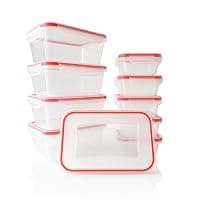
This delka pack of 10 has 5 x 400ml and 5 x 1000ml BPA-free plastic tubs, listed as microwave, freezer and dishwasher safe, stackable and leak-proof. Two sizes keep lid matching simple. It suits a household that freezes portions and reheats them in the microwave.
Frequently asked
Do glass food storage containers come with glass lids?
Some do, but most glass sets pair a glass base with a plastic clip lid that holds the seal. LocknLock's Eco Ovenglass lids, for example, are recycled plastic. The SEIDO set takes another route, with stainless steel boxes and a glass lid that has a steam vent. Check the listing before a lid of any kind goes in the oven.
Is glass or plastic better for dry food in the cupboard?
Glass jars let you see how much pasta, rice or coffee is left and don't scuff, while plastic canisters are lighter and easier to pour from. The Maison & White clip top jars come as a set of 6 at 500ml, and the Wells glass canisters are 1100ml with bamboo lids. For cereal, the TidyTrove Pukkr containers come as a set of 4 at 4 litres, with easy pour lids, labels and a pen.
Do glass containers keep food fresh for longer?
The seal matters more than the material. An airtight lid slows food drying out and stops smells passing between foods in the fridge, whether the base is glass or plastic. Where glass helps is with strong-smelling food, since the container won't carry the smell into the next thing you store.
Can I recycle old glass food containers?
Usually not in household glass recycling. Oven-safe glass is made to resist heat and melts at a different temperature from bottles and jars, so most UK councils ask you to keep it out of glass banks. Check your council's rules, and only put old plastic tubs in the recycling if your council accepts that type of plastic.
When should I replace plastic food containers?
Replace them when they crack, warp so the lid no longer seals, or have deep scratches that hold on to food. Staining on its own is mostly cosmetic, but a lid that won't close tightly lets food dry out and can leak in a bag. Glass containers last until they chip or crack, and a chipped rim is the point to stop using one.